Introduction
Why Labeling Is a Common Cause of Customs Rejection
When international shipments are delayed or rejected by customs, many exporters assume the issue lies with product compliance or missing documentation. In reality, labeling problems are one of the most common — and most preventable — reasons packages fail customs clearance.
Customs authorities rely heavily on shipping labels to identify, classify, and process goods. If label information is missing, inconsistent, damaged, or unreadable, shipments may be held for inspection, delayed for clarification, or even returned to the sender.
In this article, we explain why customs reject packages due to label issues, the most common mistakes exporters make, and how proper labeling can help prevent costly delays in international shipping.
What Role Labels Play in Customs Clearance
Why Customs Pay Close Attention to Shipping Labels
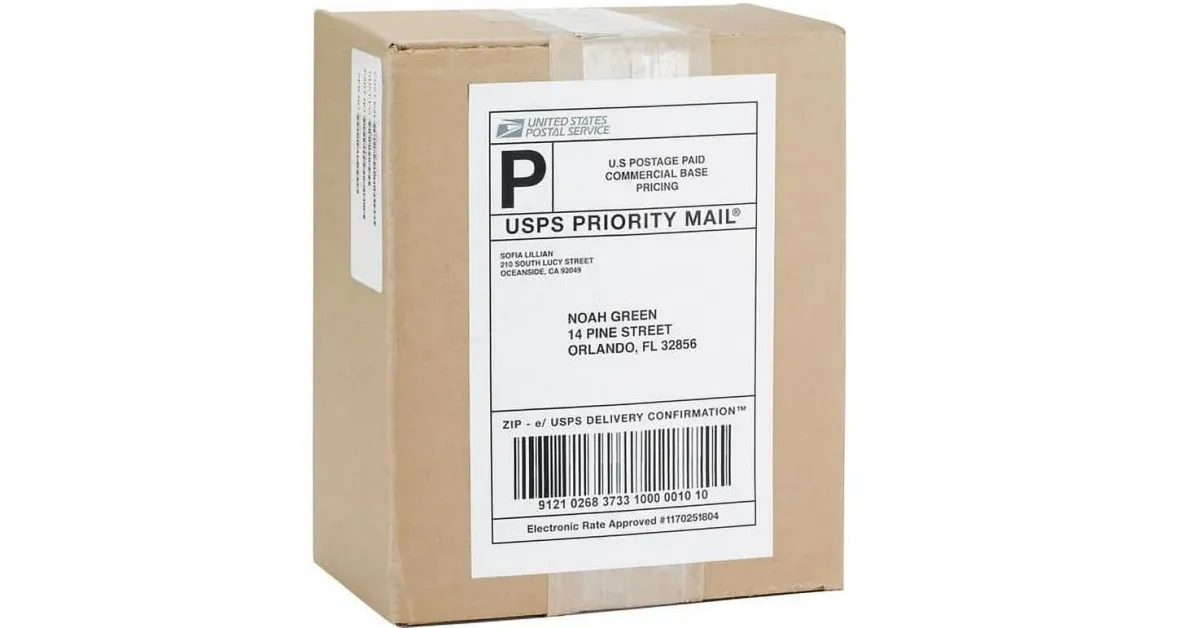
Shipping labels are often the first point of reference during customs inspection. Before a package is opened or documents are reviewed, customs officers and automated systems use label data to:
- Identify the shipper and consignee
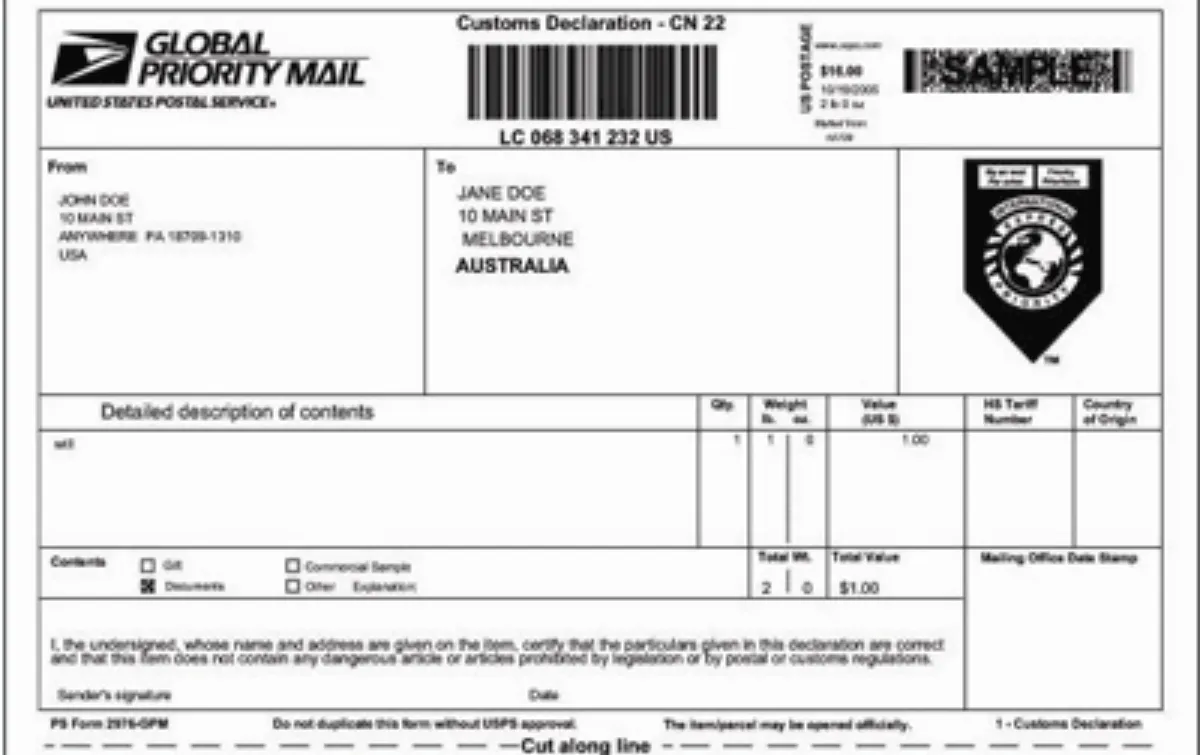
- Match the shipment with commercial invoices and packing lists
- Scan barcodes for tracking and customs systems
- Determine whether further inspection is required
If label information does not match accompanying documents, or if the label cannot be scanned, the shipment may be flagged immediately. In many cases, customs issues arise not because the goods are non-compliant, but because the label fails to support fast and accurate verification.

Most Common Label Issues That Cause Customs Rejection
1. Incorrect or Incomplete Label Information
One of the most frequent causes of customs rejection is inaccurate or missing information on shipping labels.
Common problems include:
- Incomplete consignee name or address
- Product descriptions that are too vague (e.g., “accessories” or “parts”)
- Mismatched information between labels and commercial invoices
When customs cannot clearly identify what a package contains or who it is addressed to, clearance is often delayed while clarification is requested.
2. Missing or Incorrect Country of Origin
Country of origin labeling is a critical requirement in international trade.
Customs may reject or hold shipments if:
- The country of origin is missing from the label
- The origin stated on the label does not match the invoice
- Non-standard or unclear origin descriptions are used
Even when products are otherwise compliant, inconsistent origin labeling can trigger additional checks or rejection.
3. Unreadable or Damaged Labels
Labels must remain legible throughout the entire shipping process.
Customs issues commonly occur when:
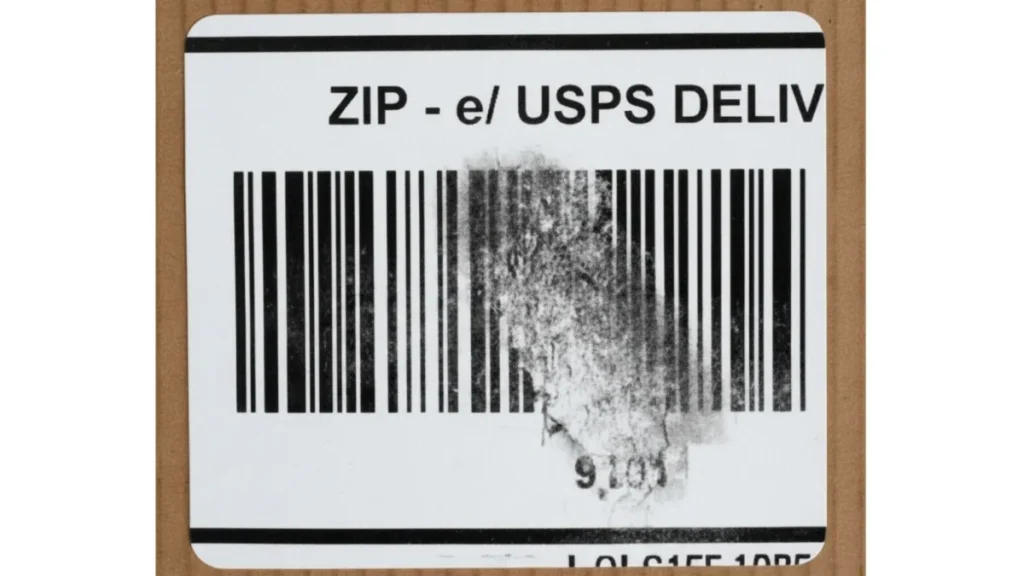
- Text or barcodes are blurred or faded
- Labels are scratched, wrinkled, or partially torn
- Barcodes cannot be scanned by customs systems
If a barcode fails to scan, shipments are often diverted to manual inspection, increasing clearance time and the risk of delay.
4. Labels Falling Off During Transportation
A label that detaches during shipping effectively leaves a package without an identity.
This can happen due to:
- Inadequate adhesive for long-distance or humid transport
- Poor surface compatibility between label and packaging
- Exposure to temperature changes during transit
Packages without securely attached labels may be held indefinitely until ownership and contents can be verified.
5. Improper Label Size or Placement
Even when label information is correct, poor placement can still cause customs issues.
Common placement problems include:
- Labels that are too small to scan properly
- Labels placed over carton seams or edges
- Labels applied to uneven or curved surfaces
Customs inspections rely on fast scanning and visibility. Poor placement can slow processing or lead to misreads.
How Label Quality Affects Customs Inspection
Why Durability and Print Consistency Matter
During international shipping, packages are handled multiple times — through warehouses, ports, customs facilities, and last-mile delivery.
If labels cannot withstand these conditions, customs risks increase. While many exporters focus on documents and declarations, label durability and print consistency play a direct role in whether shipments clear smoothly or encounter delays.
A label that looks acceptable at dispatch but degrades during transit can still result in customs issues later in the journey.
Real-World Scenarios: How Label Issues Delay or Reject Shipments
In practice, customs delays caused by label issues often follow predictable patterns:
- Barcode scan failure → shipment flagged → manual inspection required
- Label information mismatch → request for additional documents → clearance delay
- Missing or detached label → shipment held for identification or returned
These situations can add days or even weeks to delivery timelines, impacting inventory planning and customer satisfaction.
How to Prevent Customs Rejection Caused by Label Problems
Best Practices for Exporters and eCommerce Sellers
Use Clear and Consistent Product Descriptions
Ensure product names on labels match those on invoices and packing lists. Avoid overly generic descriptions.
Choose Label Materials Suitable for International Shipping
Labels should be selected based on transport conditions, handling frequency, and expected transit duration.
Ensure Barcode Print Quality
Barcodes should be high-contrast, properly sized, and tested for scanability before shipment.
Apply Labels Correctly
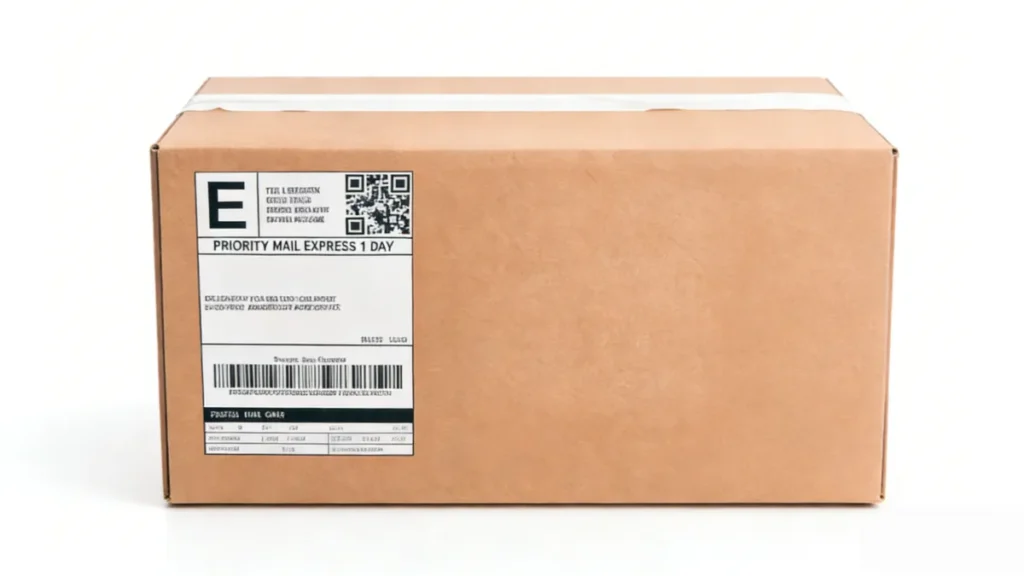
Place labels on flat, visible surfaces away from seams or edges to improve scanning reliability.
DIY Printing vs. Professionally Printed Labels for Customs Compliance
Some businesses choose to print shipping labels in-house for flexibility. While this may work for small volumes or short domestic routes, DIY printing often struggles with:
- Print consistency across batches
- Material limitations
- Adhesive performance in real shipping environments
Professionally manufactured labels offer greater control over material selection, print durability, and batch consistency — reducing the risk of customs-related issues as shipping volume increases.
Conclusion
Small Label Mistakes Can Lead to Big Customs Problems
Customs rejection is not always caused by complex regulations or prohibited goods. In many cases, small labeling mistakes are enough to stop a shipment from clearing smoothly.
Clear, durable, and properly applied labels support faster customs processing and reduce the risk of delays, returns, and added costs. In international shipping, a label is not just a sticker — it is a critical compliance tool.
FAQ: Customs Rejection and Shipping Label Issues
1: Can customs reject a package because of a label?
Yes. Missing, incorrect, or unreadable labels can cause customs delays or rejection.
2: What happens if a shipping label cannot be scanned?
Shipments are often diverted to manual inspection, increasing clearance time.
3: Do shipping labels need to match customs documents exactly?
Yes. Label information should be consistent with invoices and packing lists.
4: Are label durability issues a common customs problem?
Yes. Labels that fade, tear, or fall off during transit frequently cause clearance issues.
CTA
If you ship internationally and want to reduce customs risks caused by labeling issues, working with properly manufactured shipping labels can make a measurable difference.
👉 Request a Quote for Custom Shipping Labels
👉 Get Advice on Label Solutions for International Shipping