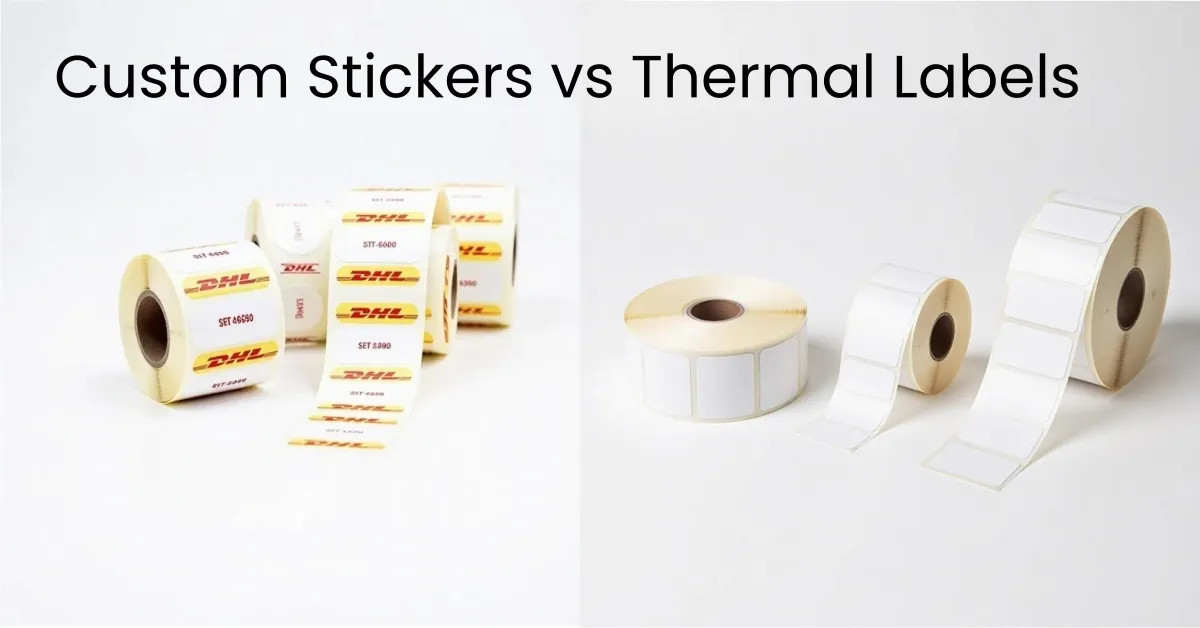
How Long Does It Take to Make Custom Stickers vs Thermal Labels?
For buyers comparing custom stickers and thermal labels, one of the most common questions is: Why does one take days—or even weeks—while the other can

For buyers comparing custom stickers and thermal labels, one of the most common questions is: Why does one take days—or even weeks—while the other can
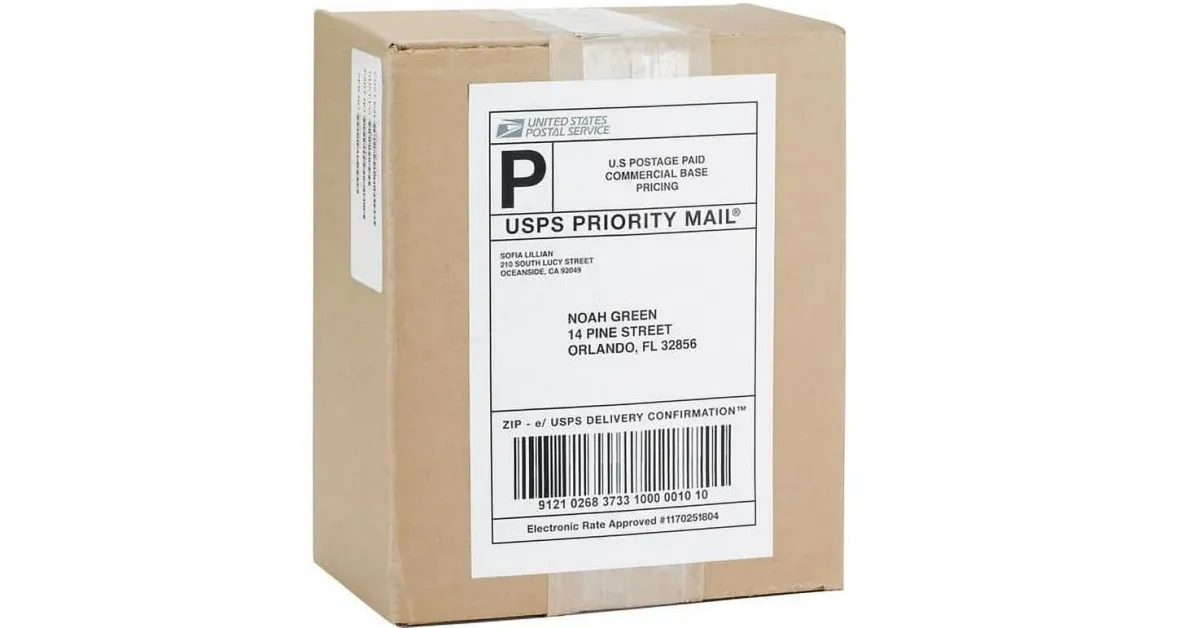
Common Tolerance Issues Explained In theory, shipping labels look simple: clear text, a readable barcode, and correct placement.In reality, very few shipping labels are truly
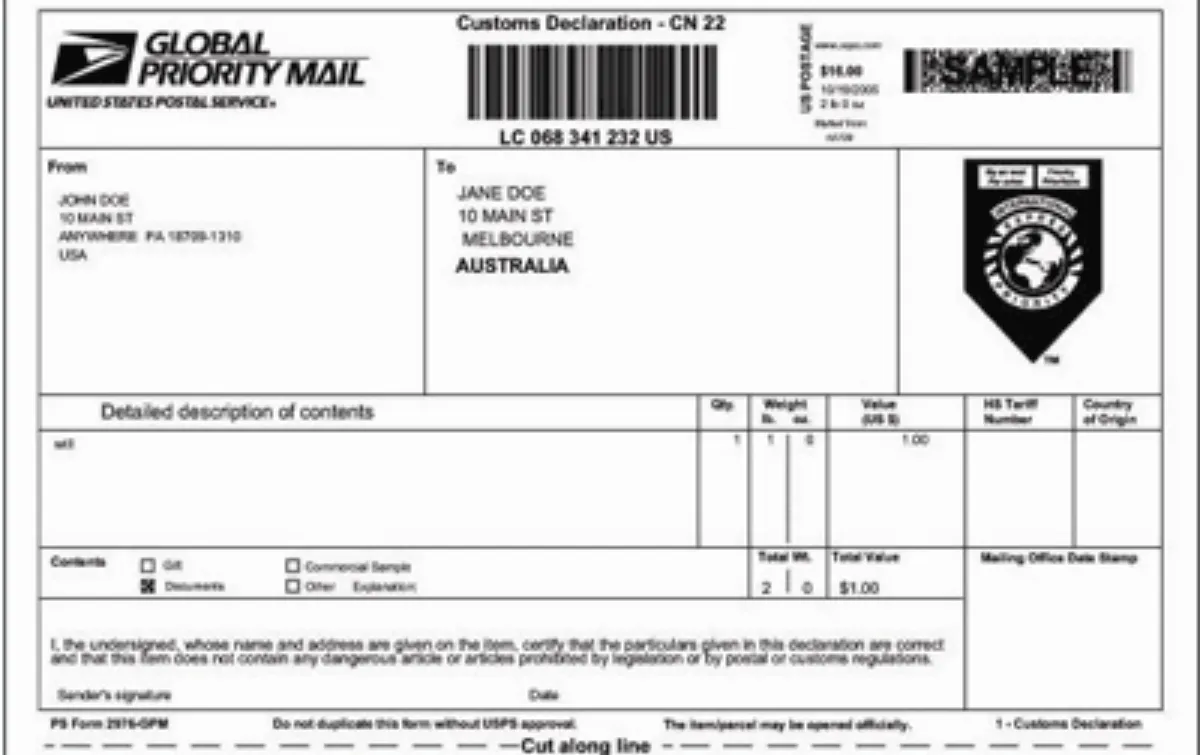
Introduction Why Labeling Is a Common Cause of Customs Rejection When international shipments are delayed or rejected by customs, many exporters assume the issue lies
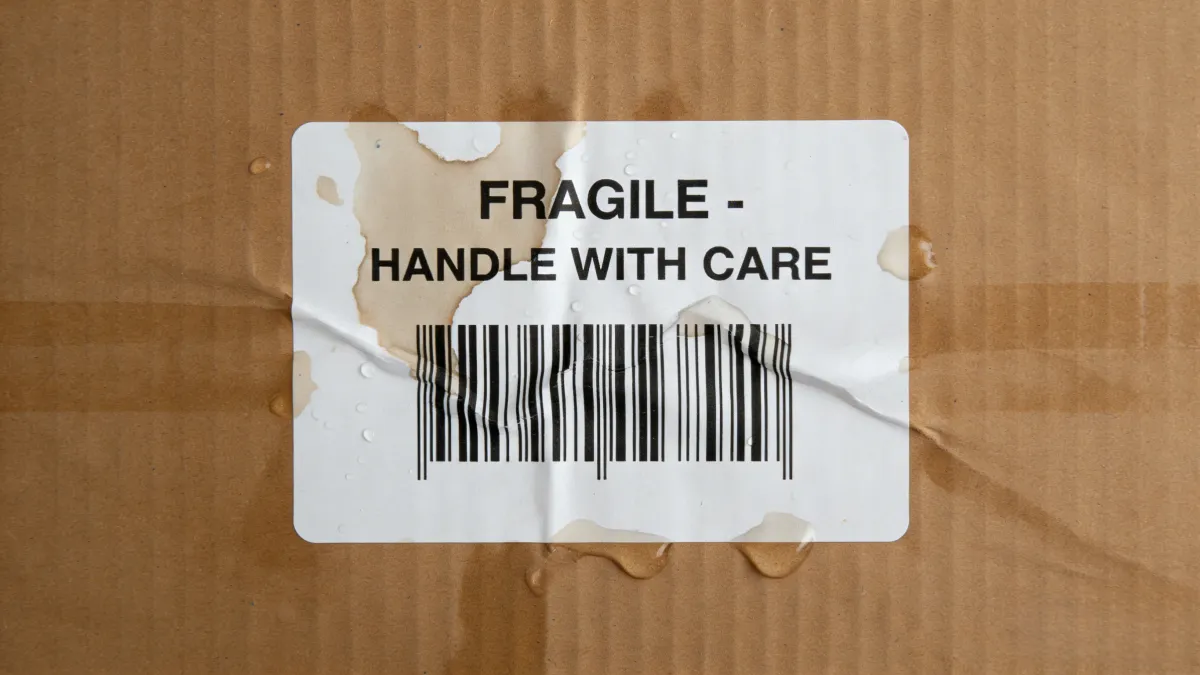
Introduction: Why Moisture Is a Real Risk in Shipping Thermal labels are widely used for shipping, warehousing, and logistics—but one common question keeps coming up:
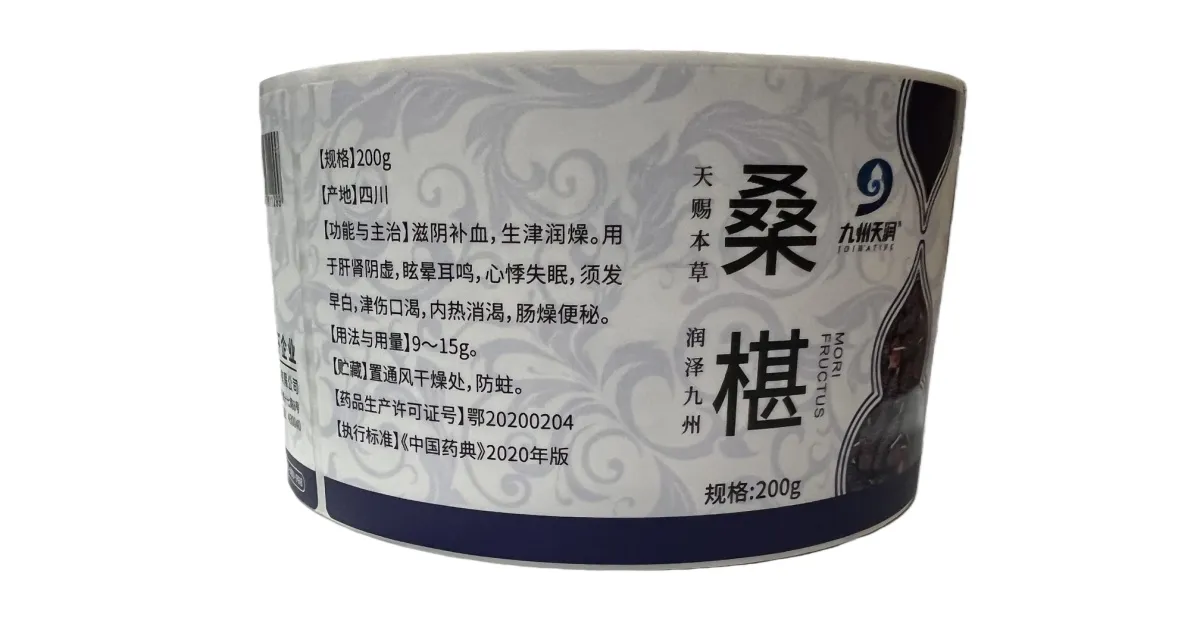
What Are Thermal Labels? Thermal labels are labels printed using heat rather than inkjet or laser toner. They are widely used for shipping, barcodes, warehouse
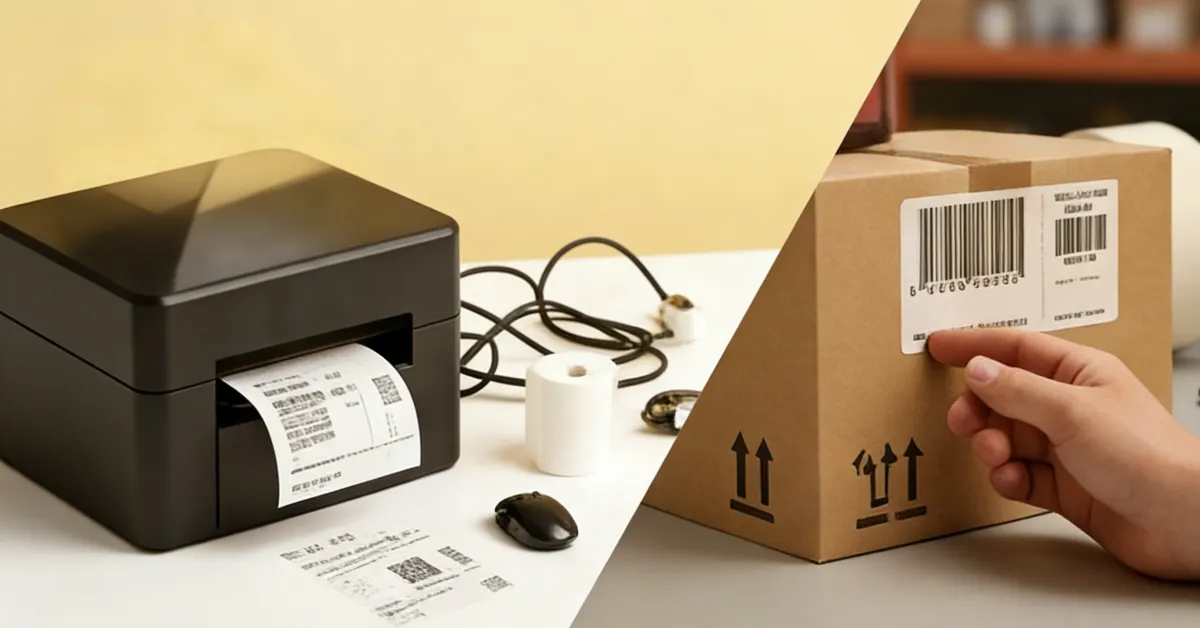
DIY vs. Professional: The Ultimate Guide to Printing Your Own Labels or Ordering from a Manufacturer Choosing between DIY label printing and ordering from a

Custom stickers are expensive due to setup fees, premium materials, skilled labor, and small order sizes, all of which increase production costs.

The five basic label requirements are statement of identity, manufacturer name, business address, ingredient declaration, and net quantity statement.
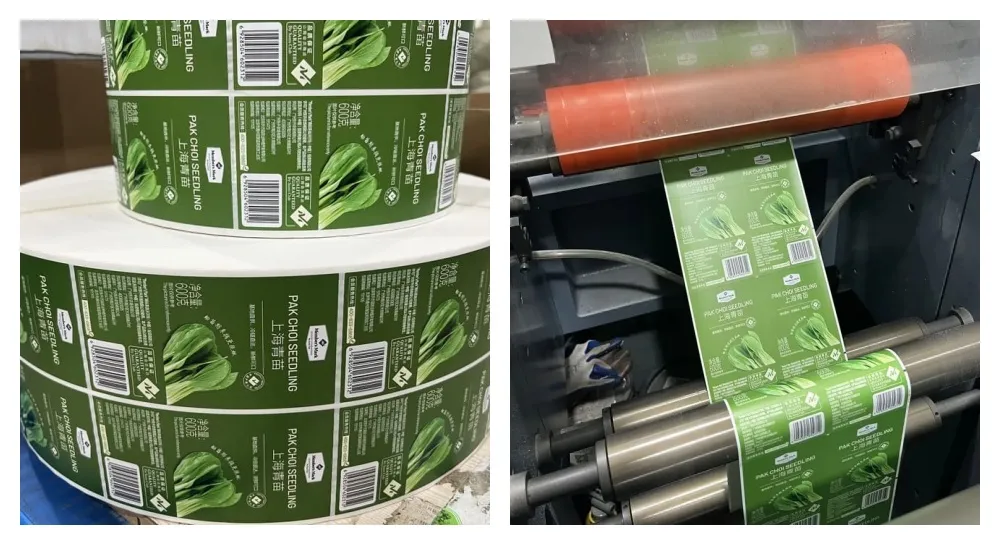
Stickers on a roll are made by printing, die-cutting, laminating, and winding labels onto rolls for easy storage, use, and custom applications.
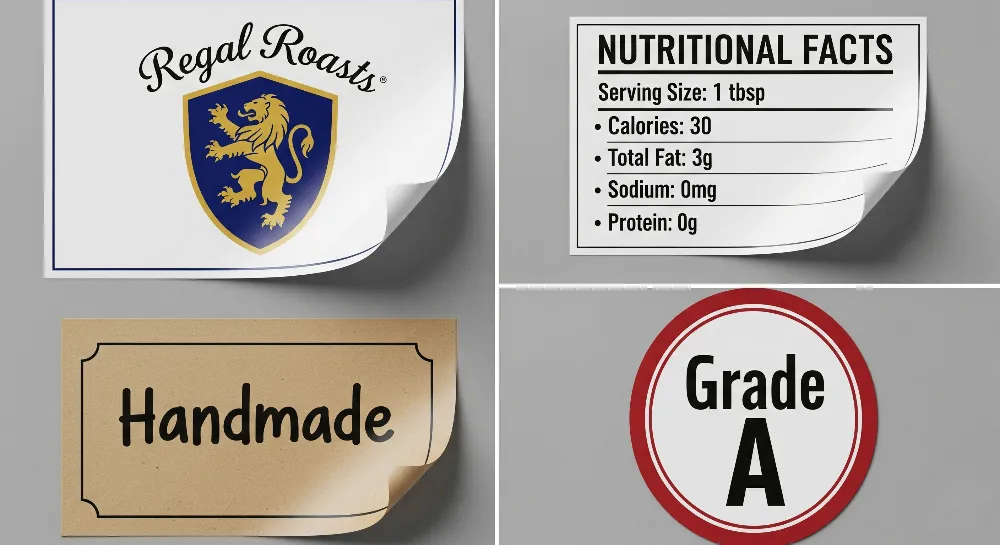
The 4 types of labels are brand, informative, descriptive, and grade. See how each label type serves a unique role in product marketing and selection.
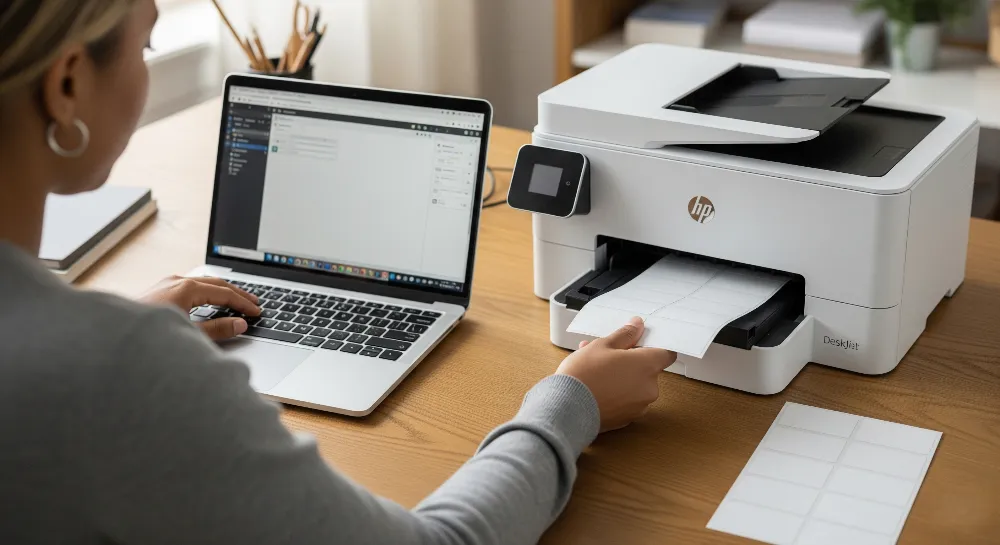
An HP printer can print labels if you use compatible label sheets and correct settings. Choose the right type for your HP printer to avoid jams.

Handwrite shipping label for small shipments or emergencies, but printed labels offer better accuracy, tracking, and carrier acceptance.
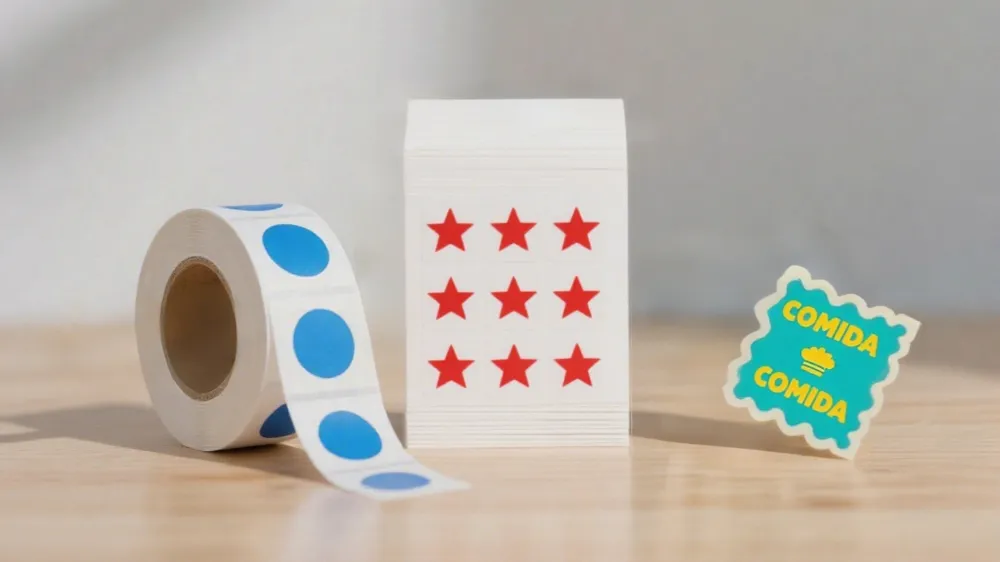
The three main types of labels are roll labels, sheet labels, and cut-to-size labels, each serving unique packaging and business needs.
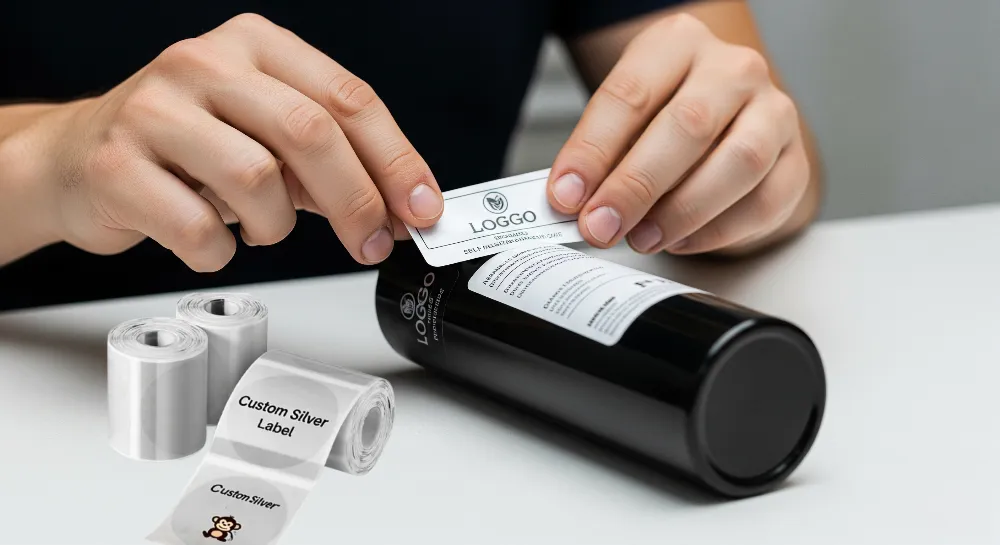
Apply self-adhesive labels with clean surfaces, careful alignment, and firm pressure for a smooth, lasting finish without bubbles or peeling.
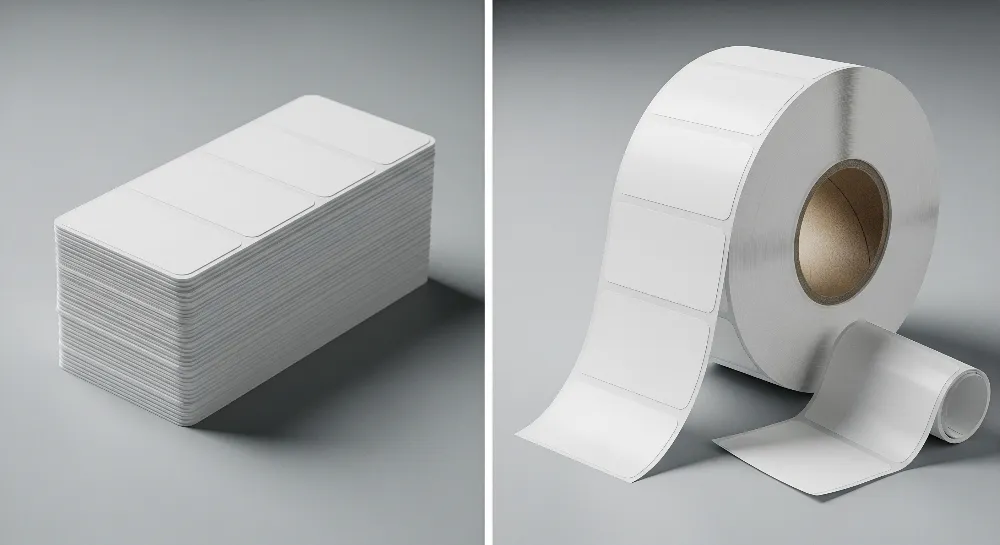
Difference Between Labels: Cut labels suit small jobs and hand use, while roll labels are cost-effective for bulk and machine application.
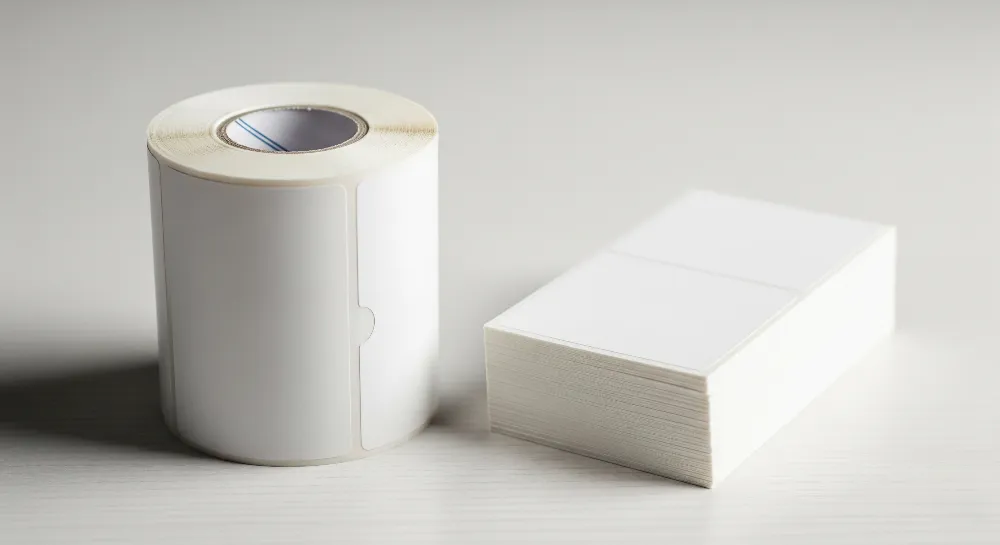
Difference Between Labels: Roll labels suit bulk, machine use; sheet labels fit small batches, manual application, and standard printers.
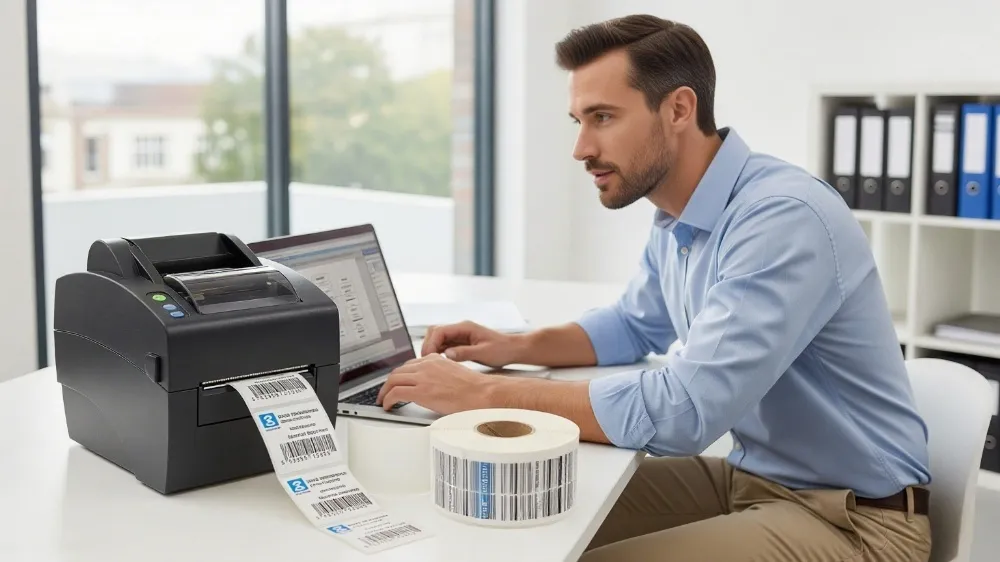
Print labels on rolls by choosing the right printer, label material, and software. Follow setup steps for quality, jam-free, and durable roll labels.
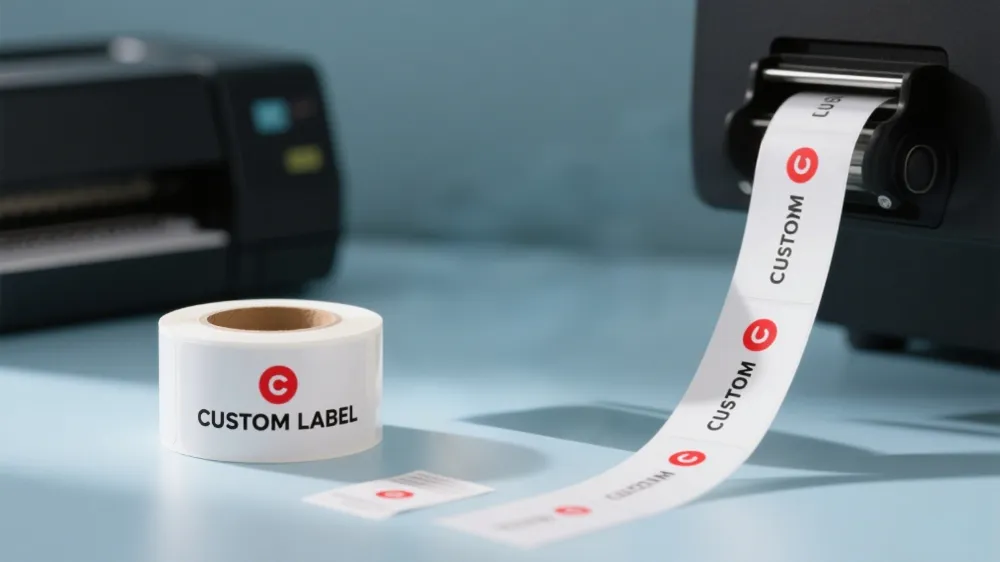
A specific printer isn’t always required for adhesive labels, but using the right printer and label type ensures clear, jam-free, and durable results.
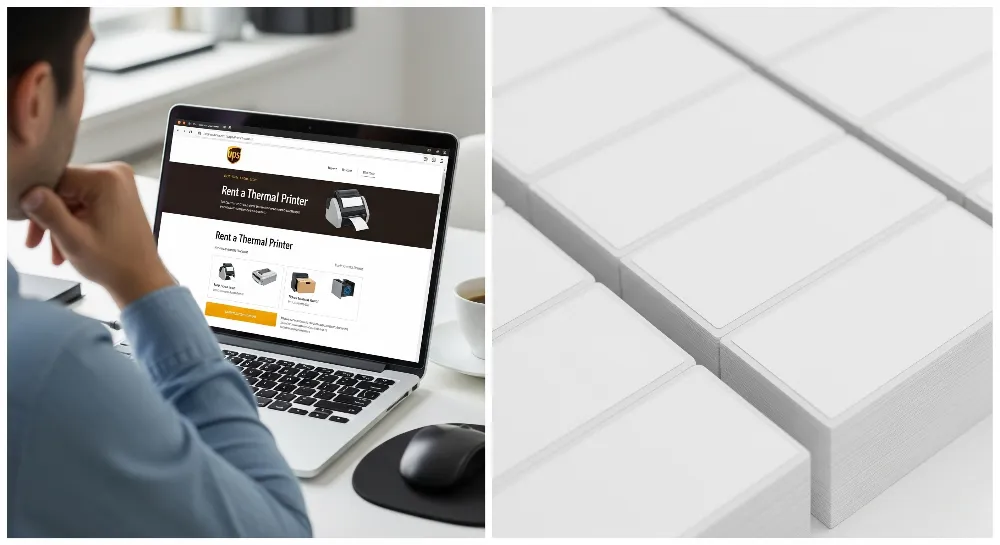
Rent a UPS thermal printer by contacting an account manager and compare top thermal label suppliers for quality, cost-effective shipping labels.
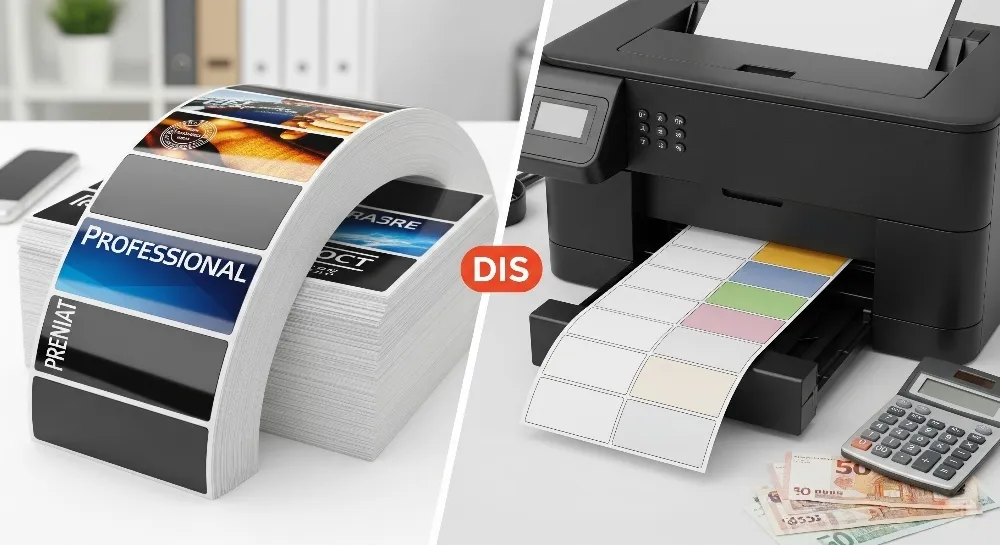
For small batches, printing your own labels is cheaper. For large orders, buy labels in bulk to save more per label and reduce overall costs.

Custom labels cost between $0.03 and $1.00 per label, depending on quantity, material, size, and design. See what impacts custom labels cost and ways to save.
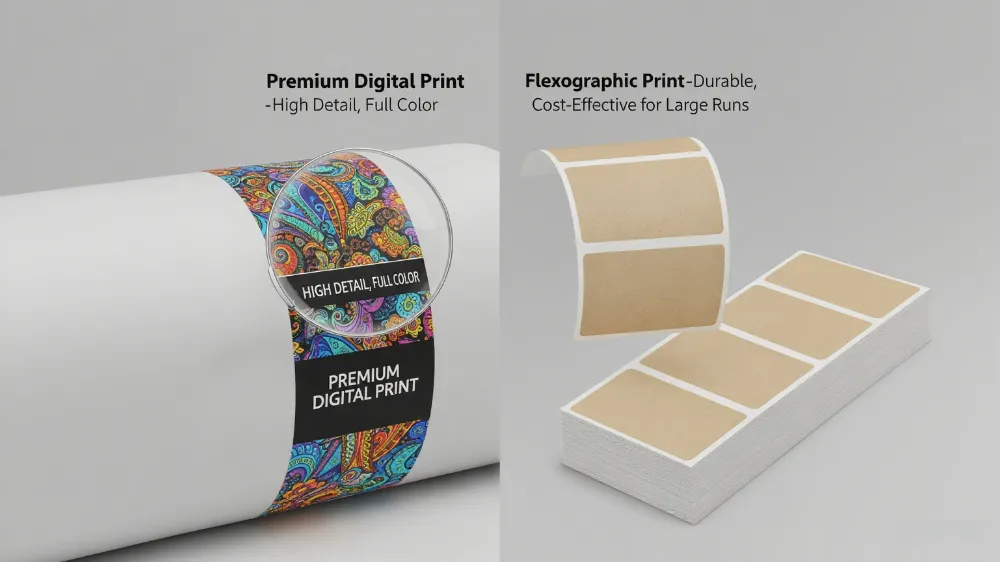
Compare custom label printing methods by cost, quality, and run size. Find pros and cons to select the best custom label printing for your needs.
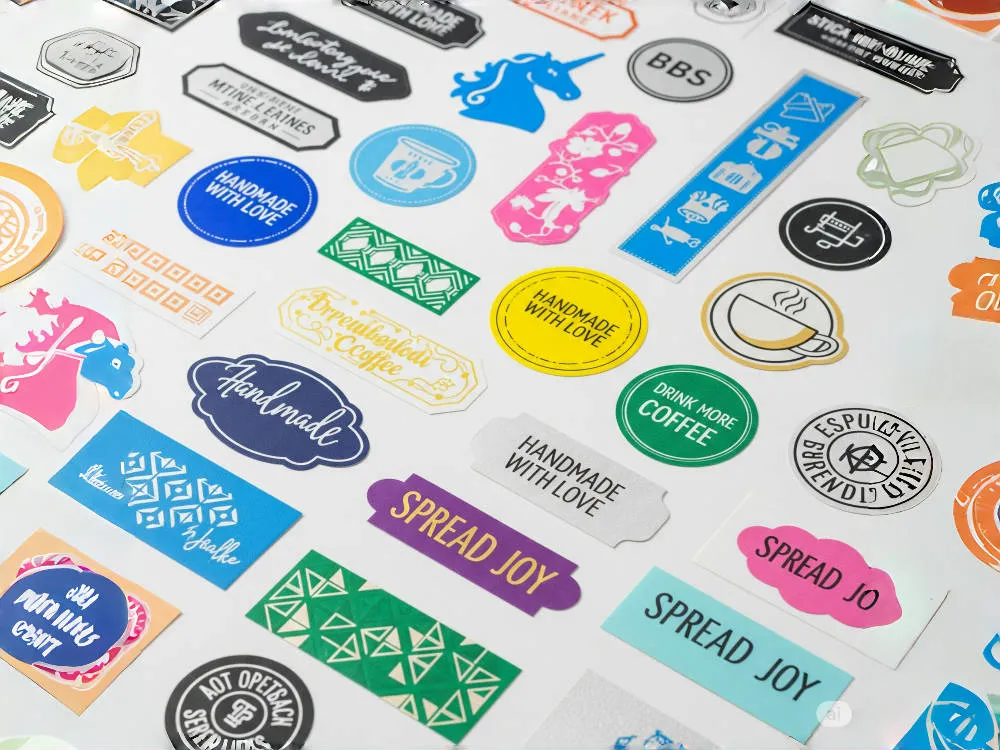
Creative ideas for custom label and sticker designs boost brand impact, enhance packaging, and engage customers with unique styles and finishes.
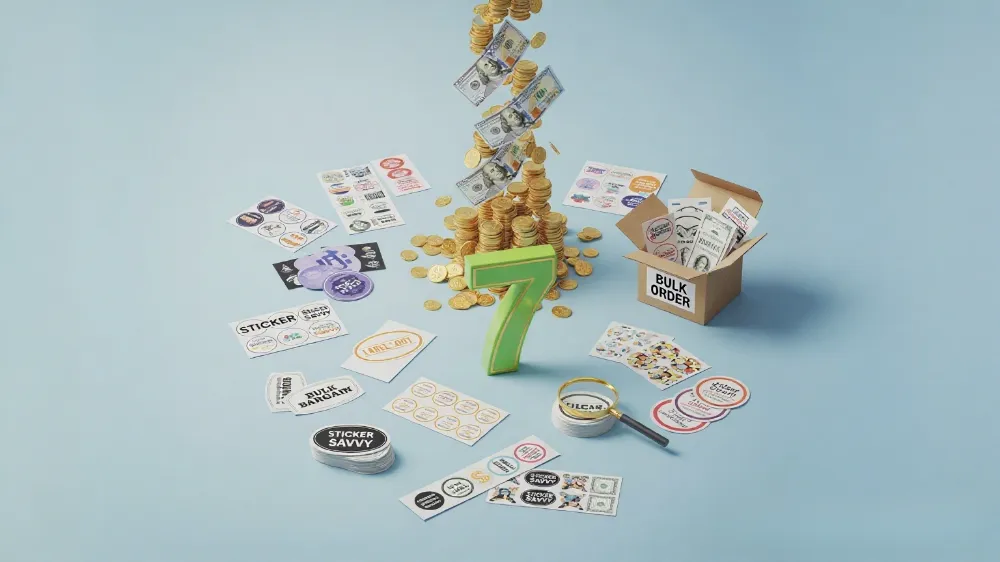
Save money on bulk custom label and sticker orders with these 7 proven tips—choose materials, simplify design, buy in bulk, and optimize your process.

Achieve fast turnaround on custom printed labels and stickers by choosing quick providers, preparing artwork correctly, and responding to proofs promptly.

Mobile Printer Labels boost warehouse efficiency with fast, durable, and compatible options for labeling shelves, packages, and inventory on the go.

Fix mobile printer label issues fast with this troubleshooting guide. Solve jams, print quality, and connection problems for smooth, reliable printing.

Compare the top mobile printer labels for small business shipping. Find the best options for print quality, durability, and wireless connectivity.

Custom size labels fit products perfectly, boost brand recognition, and help brands stand out with unique designs and consistent messaging.
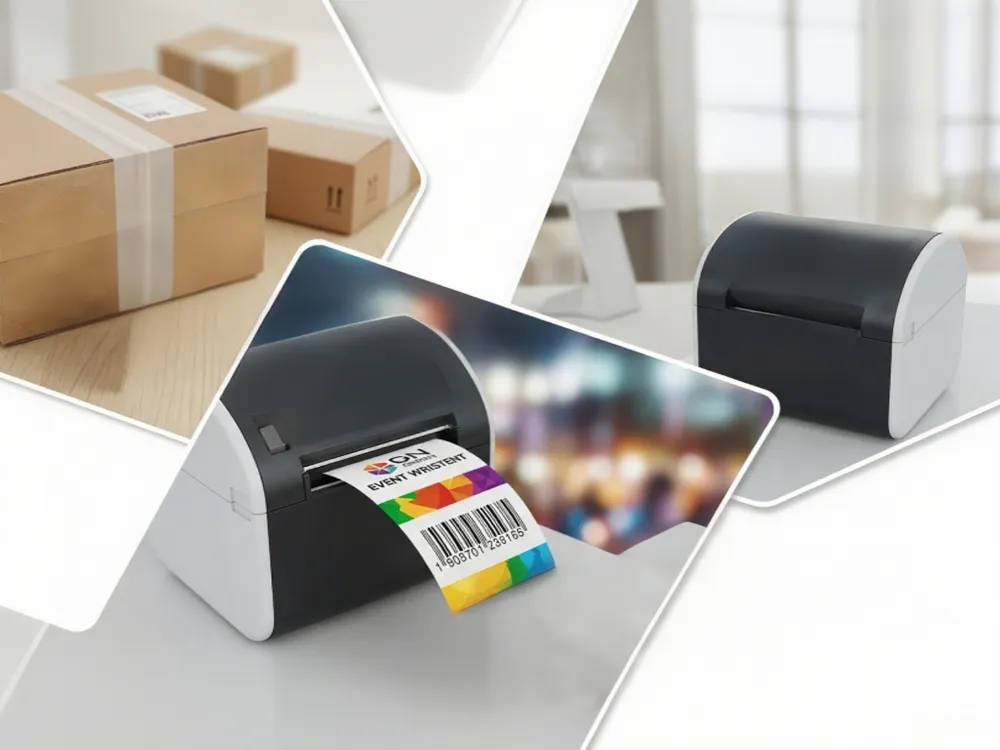
Thermal printers are not just for labels—they also print receipts, tickets, wristbands, and barcodes, making them versatile for many industries.
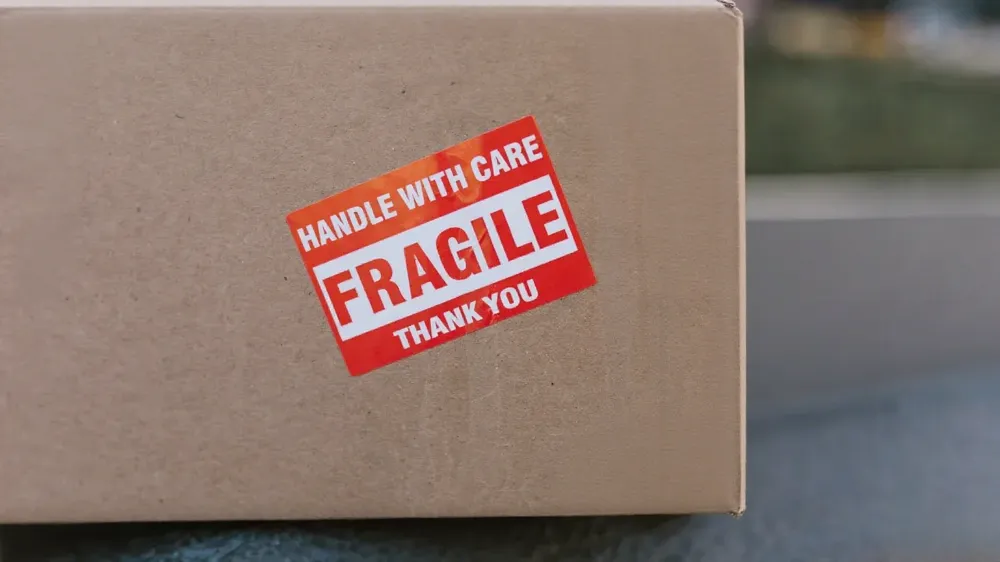
Protect thermal labels from fading and damage by choosing durable materials, proper storage, and maintaining printers for lasting clarity.
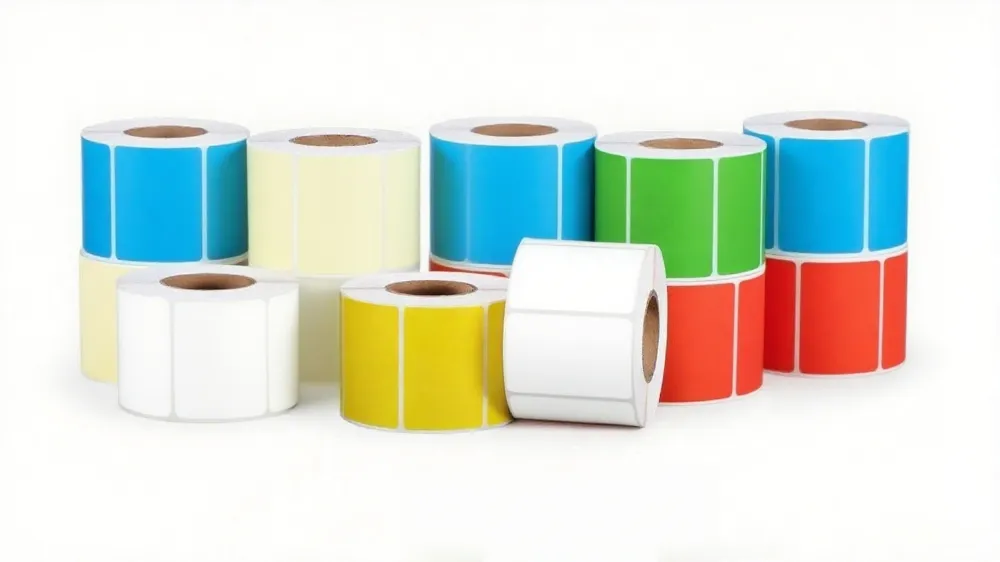
Colour thermal labels improve organization and reduce labeling errors with clear, color-coded solutions for warehouses, healthcare, and retail settings.
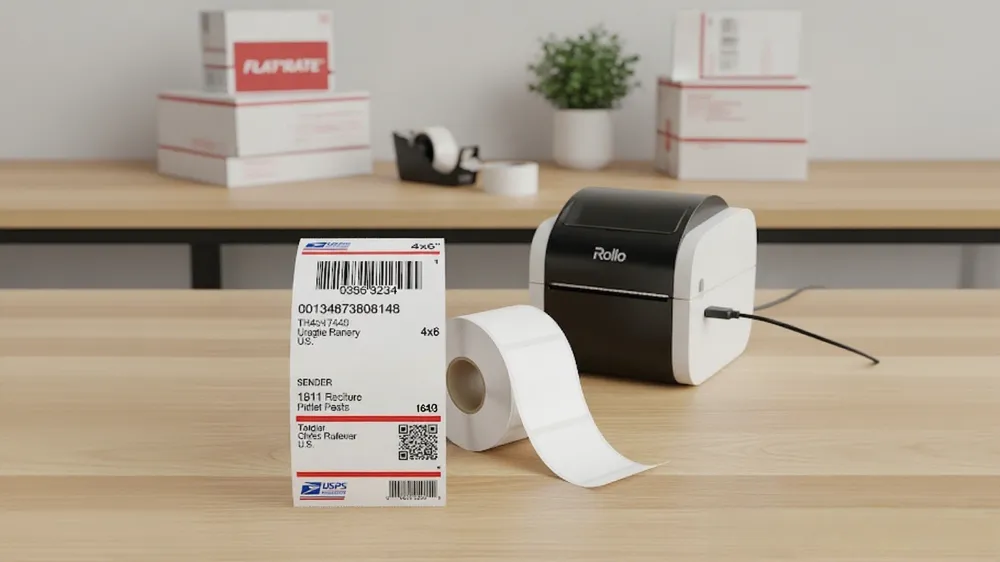
USPS does not require thermal labels for most services. Only USPS Economy and PostNL need them; other USPS shipping options accept standard printed labels.
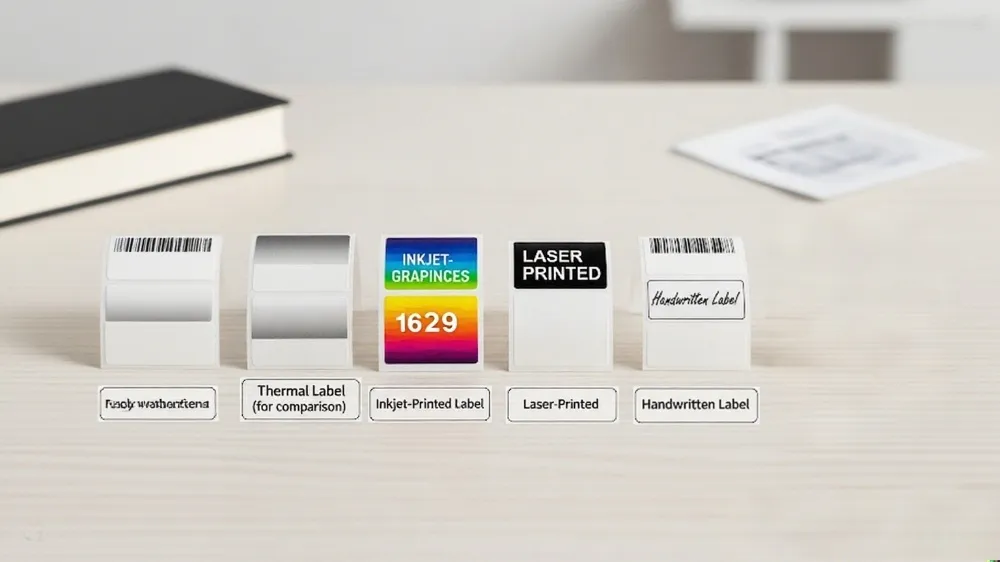
Alternatives to thermal labels include inkjet, laser, thermal transfer, linerless, pre-printed, and eco-friendly label options.
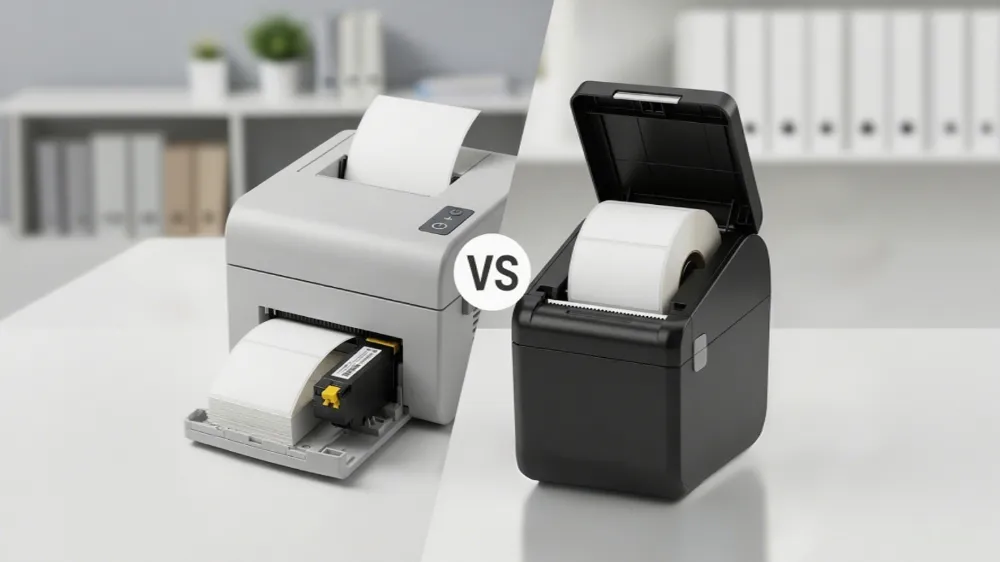
Key differences between label and thermal printers include printing methods, durability, and costs. Compare pros and cons to choose the best fit for your needs.

You can’t print thermal labels with a regular printer. Print thermal labels require a thermal printer for clear, lasting results and proper label performance.

Thermal rolls are used for fast, ink-free printing of receipts, labels, tickets, and records in retail, logistics, healthcare, and food service.
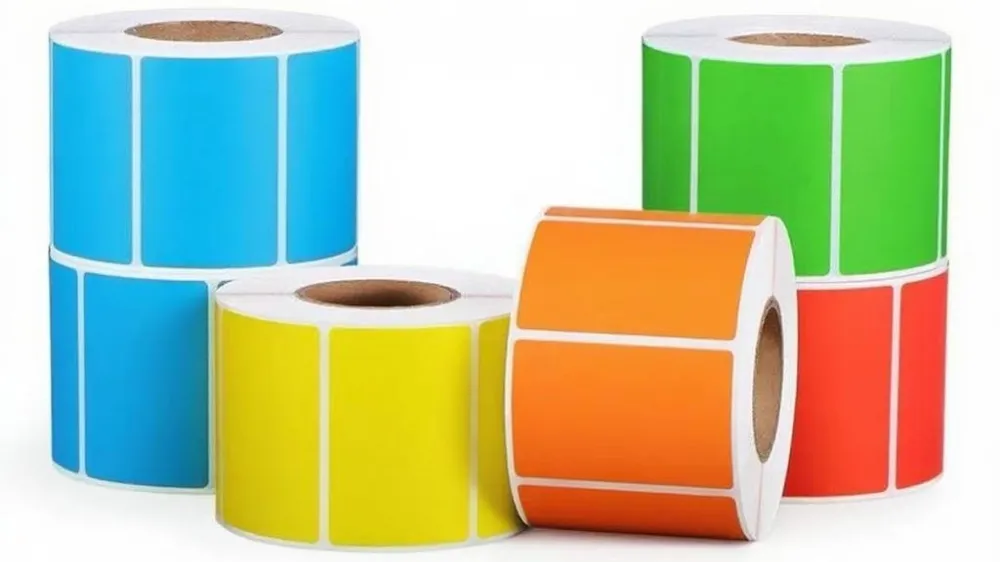
Thermal roll labels are adhesive labels printed using heat, ideal for fast, durable product, shipping, and inventory identification tasks.

Order custom sticker rolls wholesale for affordable, branded labels. Choose shapes, materials, and finishes to fit your business needs and save on bulk orders.
Design and print Custom Labels for products in 2025 with the best tools, materials, and tips for standout branding and professional-quality results.
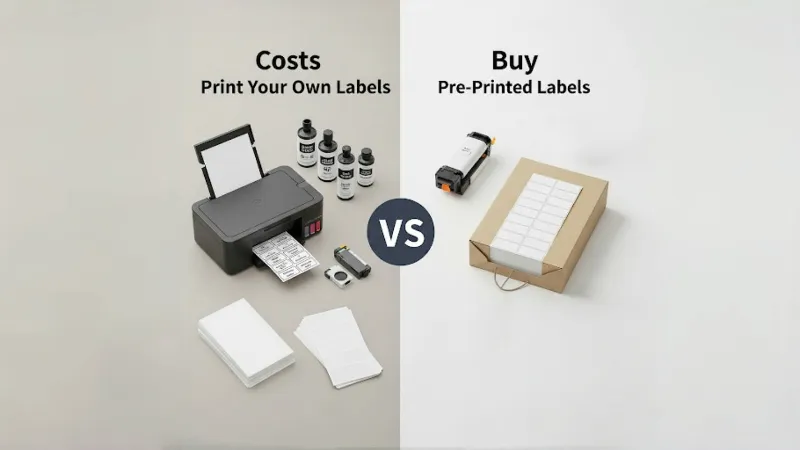
Compare costs to print your own labels versus buying. Find out when DIY label printing saves money and when buying pre-printed labels is smarter.
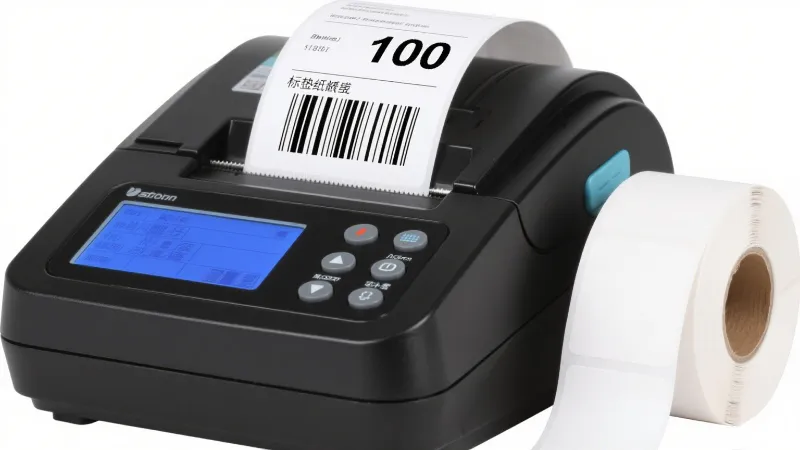
A direct thermal label uses heat-sensitive coating to print images or text without ink or ribbons, making it ideal for short-term labeling needs.
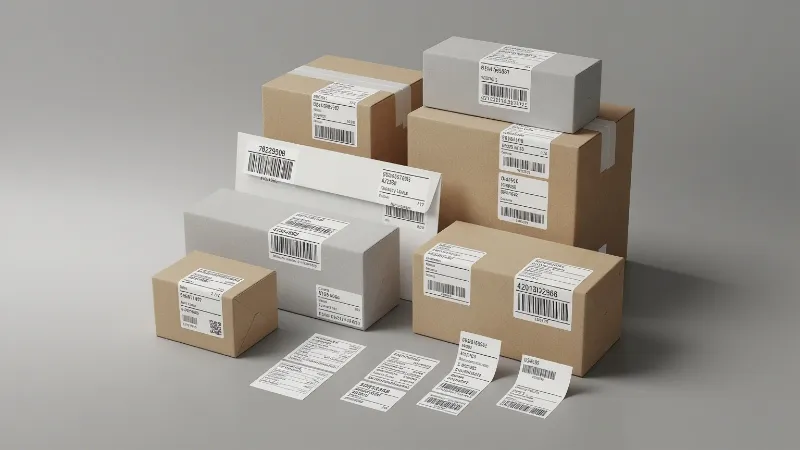
Thermal paper is suitable for most shipping labels, offering fast, clear prints, but may fade in heat or sunlight. Choose BPA-free options for safety.
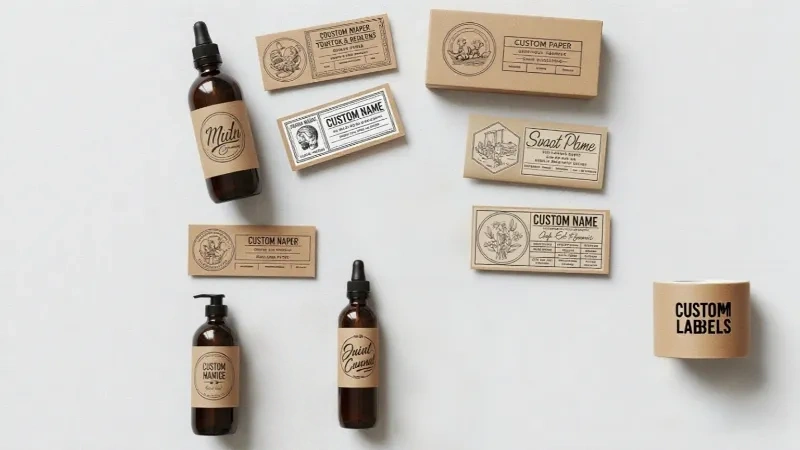
Create custom labels for products with easy steps, from choosing templates and design tools to printing and applying labels that boost your brand.
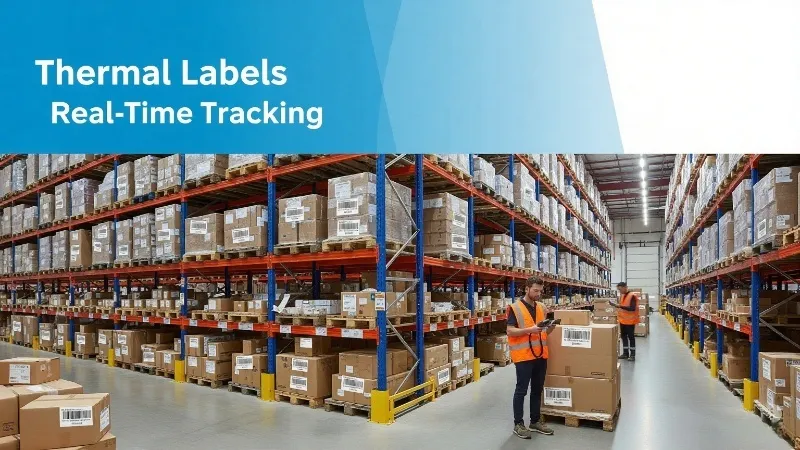
Thermal labels offer fast, reliable labeling for shipping, healthcare, retail, and manufacturing, helping businesses track, identify, and manage products efficiently.
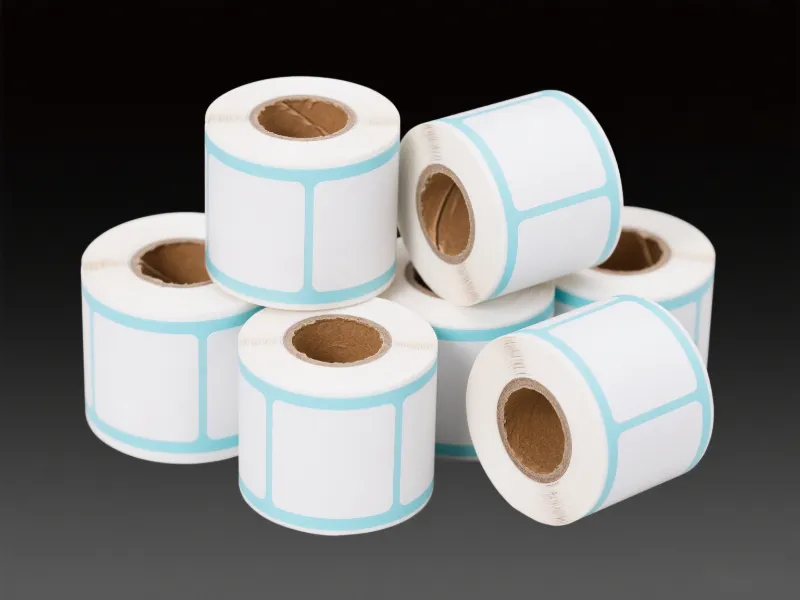
Order custom size labels for your business by selecting the right size, shape, and material to match your brand and product packaging needs.
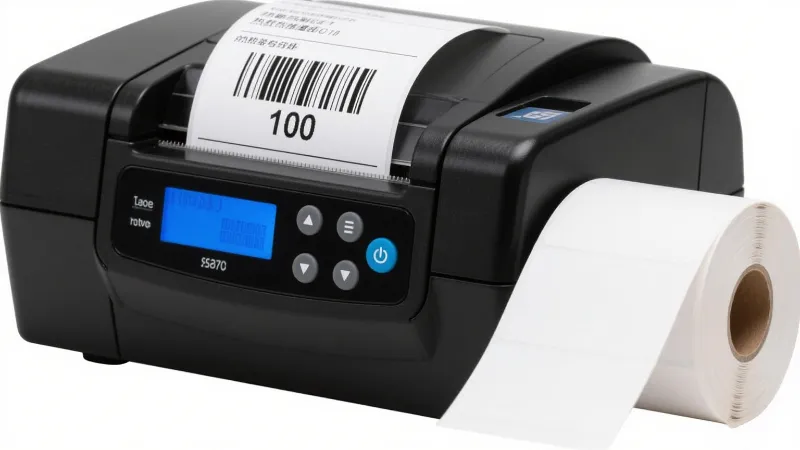
Key features of high-quality thermal labels include sharp print, strong adhesive, durability, printer compatibility, and eco-friendly materials.
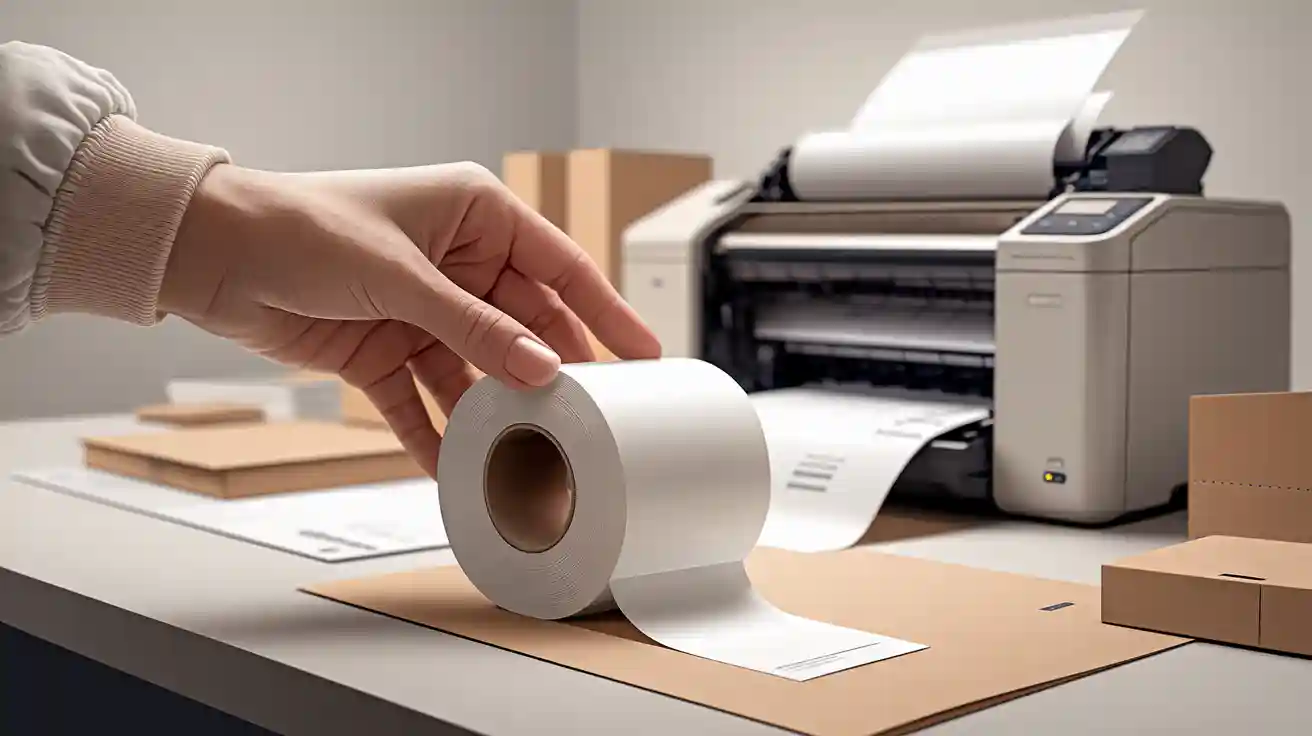
Direct thermal labels are designed for use without a ribbon. Using a ribbon with these labels leads to poor print quality and unnecessary extra costs.
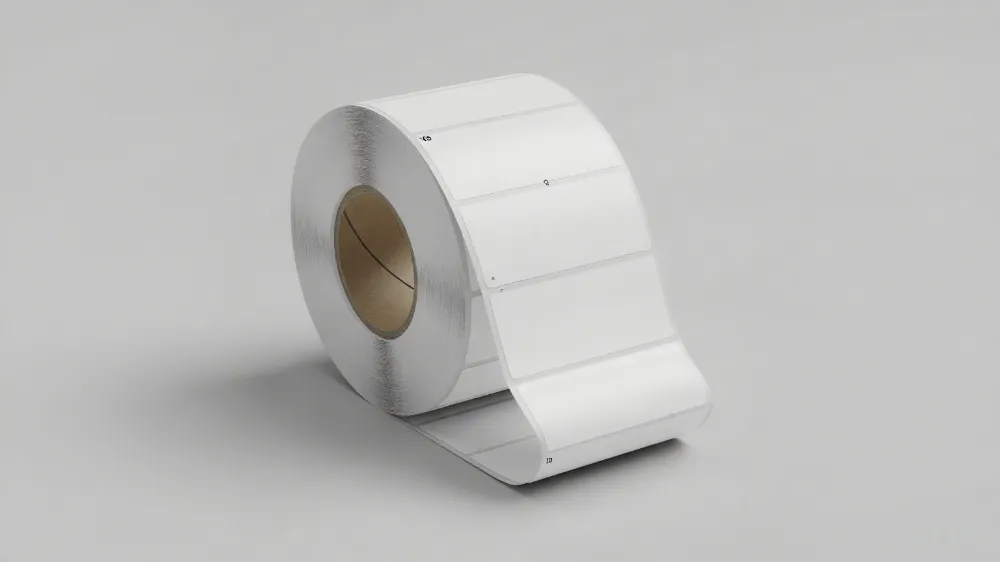
Direct thermal labels typically last 6 to 12 months, with lifespan affected by light, heat, and moisture. Proper storage can extend their durability.
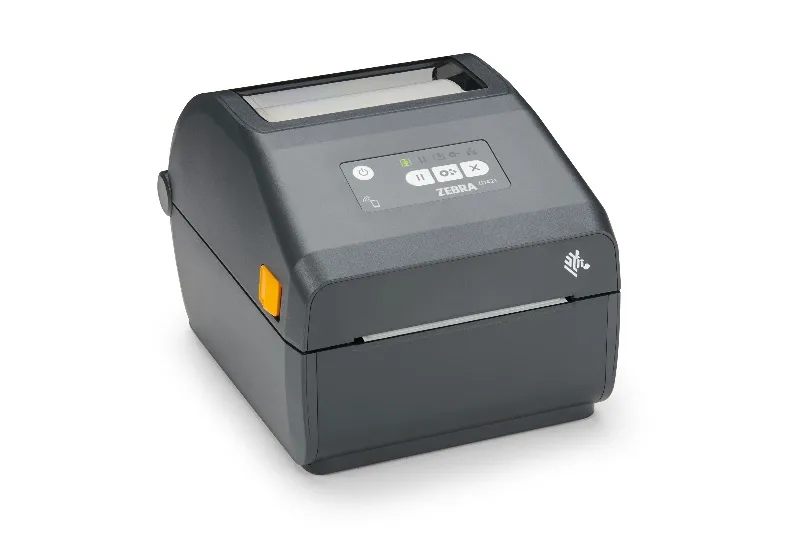
Colour thermal labels use heat-sensitive coatings, not ink, so thermal printers don’t run out of ink and offer clean, efficient color printing.
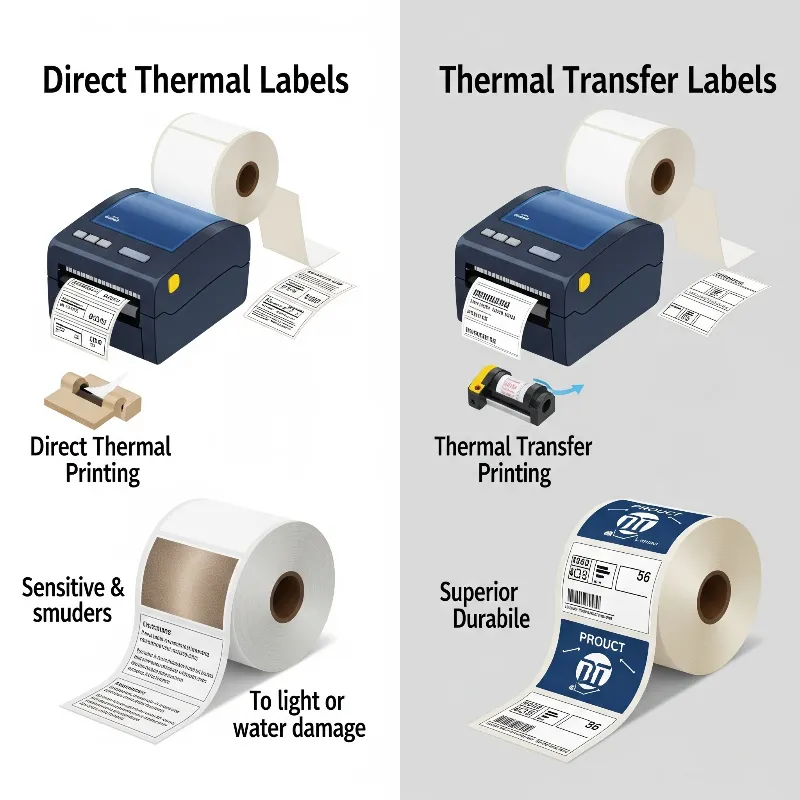
Thermal label manufacturers can compare direct thermal vs thermal transfer labels to choose the best option for durability, cost, and application needs.
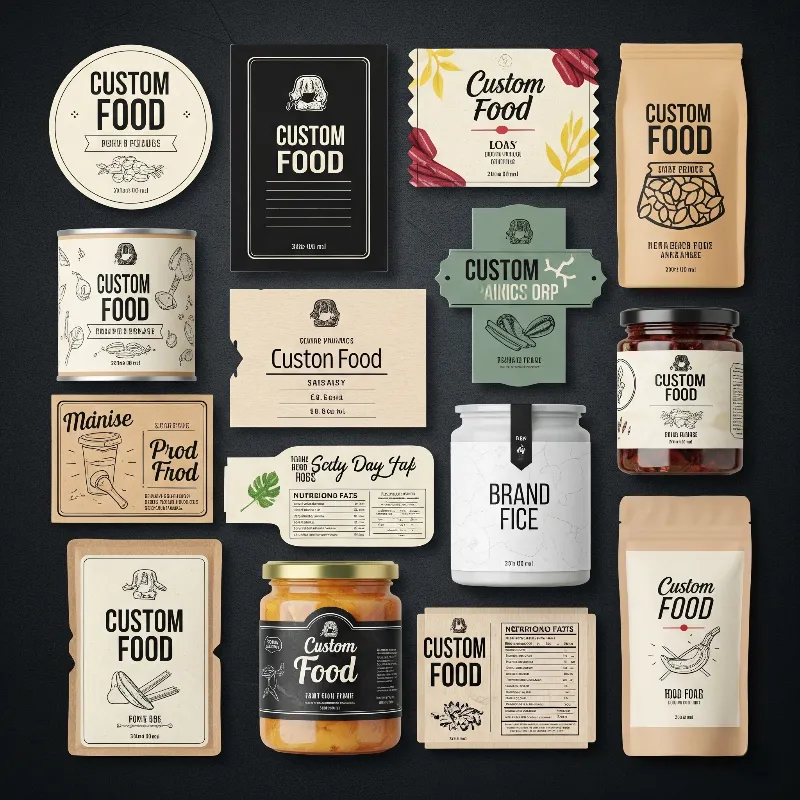
Vinyl, polyester, paper, polypropylene, and polyethylene are top custom adhesive label materials, each offering unique benefits for specific uses.