How Long Does It Take to Make Custom Stickers vs Thermal Labels?
For buyers comparing cust
Custom sizes, strong adhesive, and reliable performance for all labeling needs.
What we’re offering
Lorem ipsum there are many variations of passages of available but the majority have suffered alteration in some form, by injected humou or randomised words even slightly believable.

Checkout our benefits
Lorem lipsum are many variations of passages of available but the majority have suffered.
Lorem lipsum alteration in some form, lipsum is simply free text by injected humou or randomised words even believable.

Projects Completed

Team Members

Happy Customers

Our Certifications
Recent work list

In publishing and graphic design, Lorem ipsum is a placeholder text commonly used to demonstrate the visual form

In publishing and graphic design, Lorem ipsum is a placeholder text commonly used to demonstrate the visual form

In publishing and graphic design, Lorem ipsum is a placeholder text commonly used to demonstrate the visual form

In publishing and graphic design, Lorem ipsum is a placeholder text commonly used to demonstrate the visual form

In publishing and graphic design, Lorem ipsum is a placeholder text commonly used to demonstrate the visual form

In publishing and graphic design, Lorem ipsum is a placeholder text commonly used to demonstrate the visual form
Our Clients testimonials
Industry Projects
professional expert
Lorem lipsum available but the majority have suffered alteration in some form, by injected humou or randomised words even slightly believable.
professional expert
Read our latest news

For buyers comparing cust


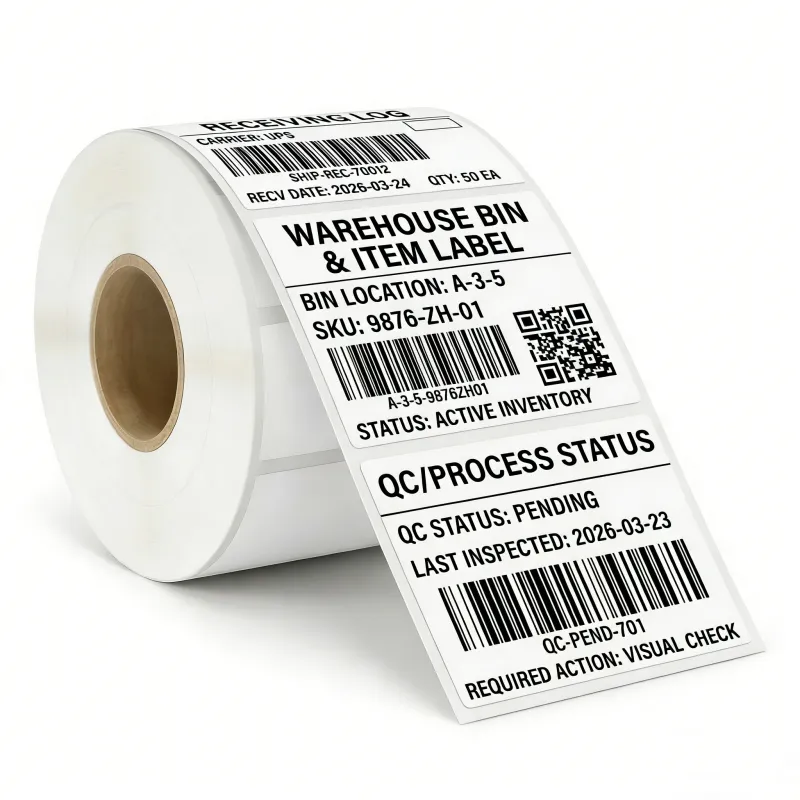
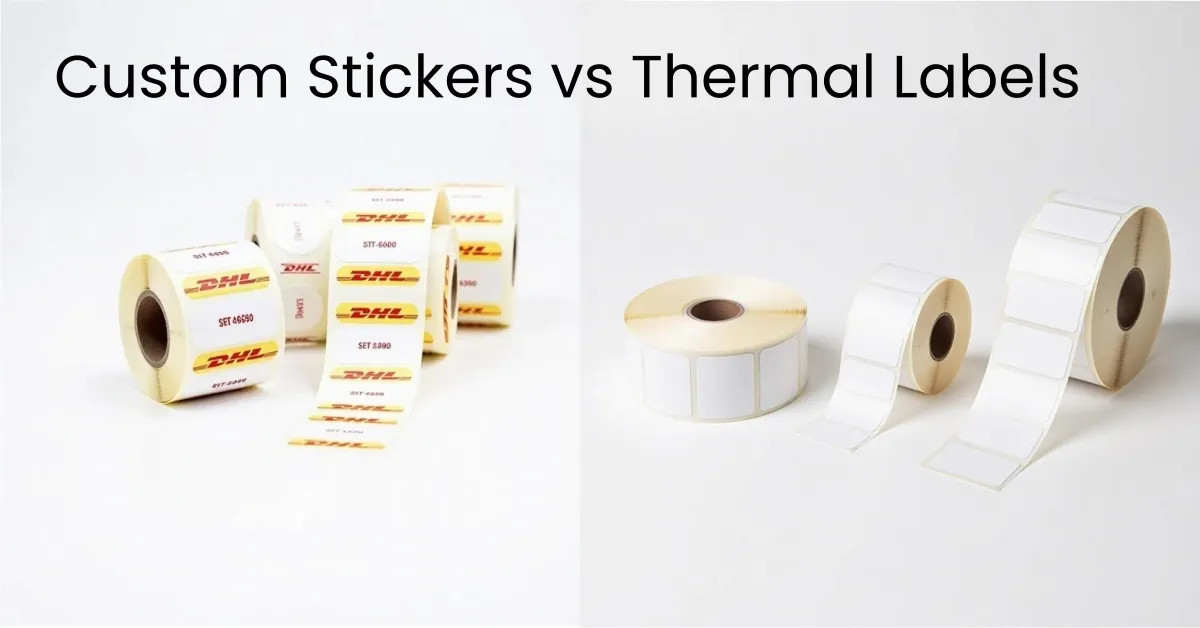
Thermal self-adhesive labels are made of a heat-sensitive material that darkens when heated, often used for printing barcodes, price tags, and other markings.
It is widely used in retail, logistics, medical, food and other industries for printing barcodes, price tags, logistics labels, etc.
Advantages: low cost, fast printing speed, no carbon ribbon required; Disadvantages: easily affected by heat, light, and humidity, and poor durability.
Usually 6 months to 2 years, depending on the storage environment (avoid high temperature, humidity and direct sunlight).
Adjust the print head temperature and print speed, clean the print head and roller, and check the matching of the ribbon and label.
It may be that the print head temperature is too low, the print speed is too fast, or the thermal coating is damp or deteriorated by heat.
Check whether the print head and roller are clean, adjust the printing pressure, and ensure that the label is in good contact with the print head.
It may be that the printing temperature is too high, the ribbon tension is too tight, or the label and the ribbon are stuck together.
Reduce the machine speed, extend the drying time, or use special ink that dries quickly.
Use anti-static equipment, adjust the ambient humidity, or add antistatic agent to the material.
Choose the right material and adhesive according to the use environment (such as temperature, humidity) and purpose (such as food labels, logistics labels).
Common backing paper includes glassine backing paper, kraft paper backing paper, etc., and die-cutting and peeling performance should be considered when selecting.