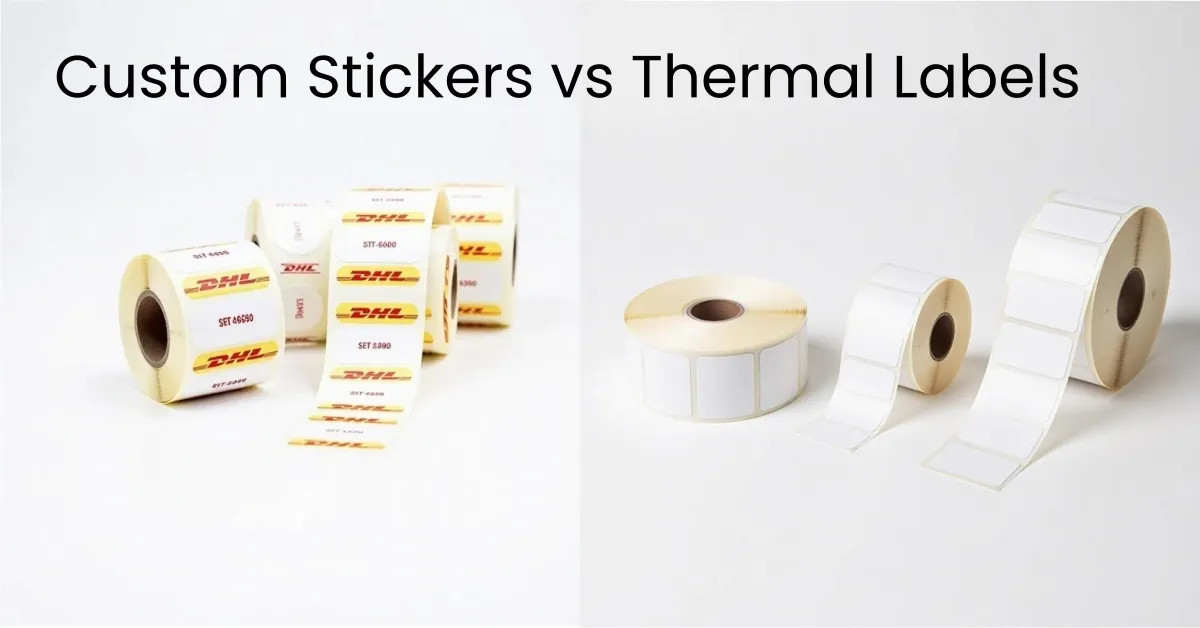
For buyers comparing custom stickers and thermal labels, one of the most common questions is:
Why does one take days—or even weeks—while the other can be produced much faster?
From a manufacturing perspective, the answer has very little to do with “printer speed” and everything to do with process complexity, material handling, and production workflow.
This article explains how long it typically takes to manufacture custom stickers vs thermal labels, why the timelines differ, and how buyers should factor lead time into purchasing decisions.
This article is written from the perspective of a custom thermal label manufacturer. We do not sell desktop printers or provide DIY printing tutorials.
At a Glance: Production Time Comparison
Before diving into details, here is a realistic manufacturing-level comparison:
| Label Type | Typical Production Time |
|---|---|
| Custom Stickers | 7~15 working days |
| Thermal Labels | 3~7 working days |
These timelines assume custom production, not off-the-shelf stock.
Why Custom Stickers Take Longer to Produce
Custom stickers involve multiple production stages, many of which depend on drying, curing, or secondary processing.
1. Printing Method and Ink Processing
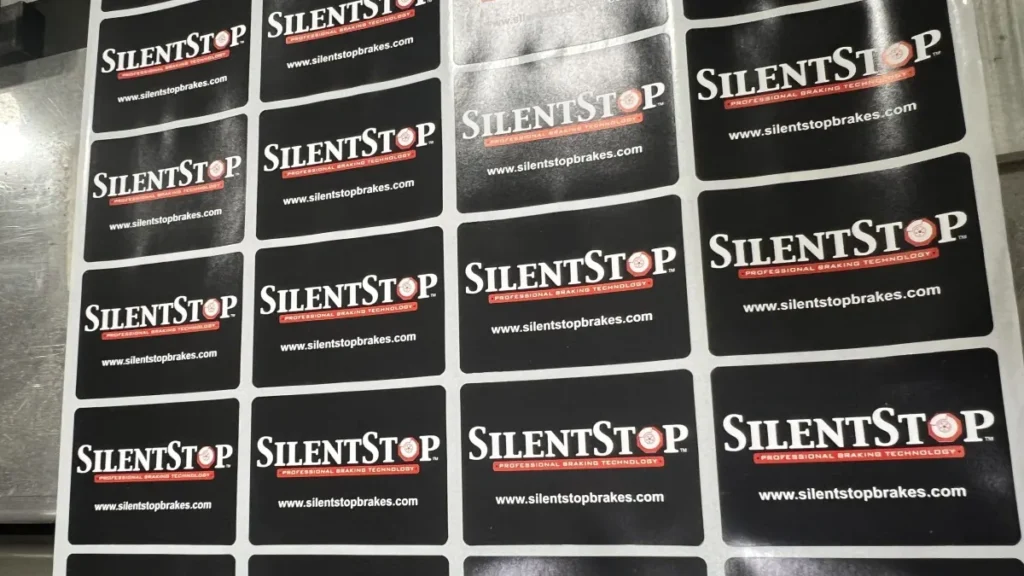
Custom stickers are usually produced using:
- Flexographic printing
- Offset printing
- Digital color printing
These methods require:
- Ink curing or drying time
- Color matching and proofing
- Print stability checks
Each step adds time before the product can move to the next stage.
2. Material Lamination and Surface Protection
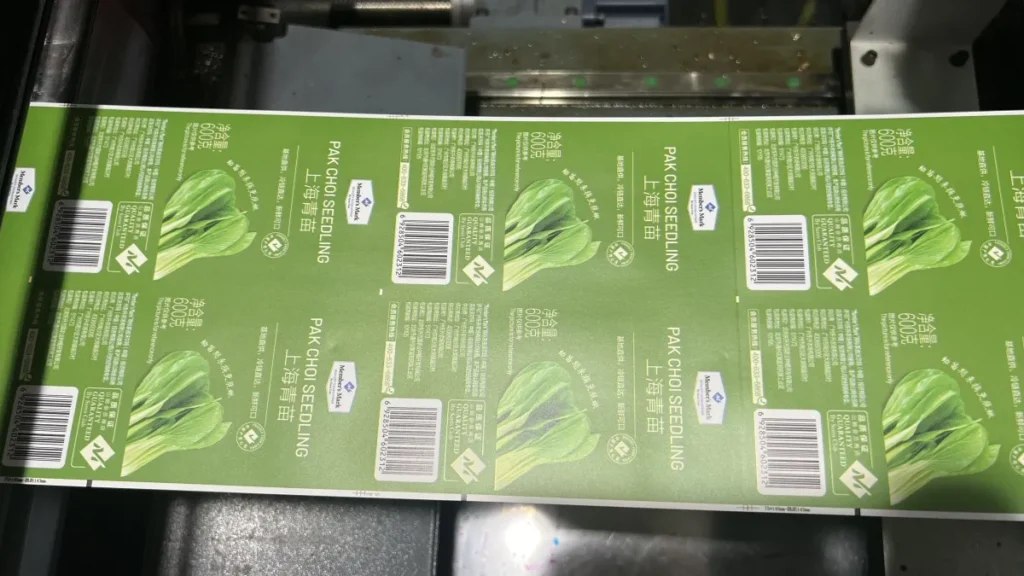
Most custom stickers require:
- Lamination
- UV coating
- Protective films
These layers are essential for durability but add additional machine setup and curing time.
3. Die-Cutting and Shape Complexity
Unlike standard thermal labels, stickers often involve:
- Custom shapes
- Irregular outlines
- Tight dimensional tolerances
Die creation, testing, and adjustment further extend production time.
4. Quality Approval Cycles
Because custom stickers are often brand-facing, buyers frequently request:
- Color proofs
- Sample approvals
- Revisions
Each approval cycle pauses production and extends the total timeline.
Why Thermal Labels Are Faster to Manufacture
Thermal labels are designed for logistics efficiency, not visual branding—which simplifies production dramatically.
1. No Ink or Drying Process
Thermal labels rely on:
- Heat-sensitive coatings (direct thermal), or
- Ribbon-based printing (thermal transfer)
From a manufacturing standpoint:
- No ink curing is required
- No color matching is needed
- Production moves continuously
2. Standardized Materials and Formats
Most thermal labels are produced using:
- Standard widths
- Standard cores
- Common face stocks
This allows manufacturers to:
- Run long, uninterrupted production
- Minimize setup changes
- Reduce downtime between orders
3. High-Speed Slitting and Rewinding
Thermal labels are typically finished by:
- Slitting jumbo rolls
- Rewinding into final roll sizes
This process is fast, repeatable, and highly automated.
4. Minimal Approval Requirements
Unlike branded stickers, thermal labels usually require:
- No color proofs
- No visual approval cycles
- Functional checks only
As long as specifications are clear, production can proceed immediately.
What Actually Delays Either Type of Label?
Regardless of label type, production delays often come from non-manufacturing factors:
- Incomplete specifications
- Late artwork confirmation
- Custom material sourcing
- Order quantity below standard run efficiency
Clear communication shortens lead time more than anything else.
Which Label Type Should You Choose Based on Lead Time?
Choose Custom Stickers if:
- Branding and visual impact matter
- Lead time flexibility exists
- Surface durability is critical
Choose Thermal Labels if:
- Speed matters
- Labels are used for shipping, logistics, or tracking
- Consistency and scannability matter more than appearance
From a logistics standpoint, thermal labels are purpose-built for fast, scalable production.
Final Thoughts: Lead Time Reflects Purpose, Not Quality
Longer production time does not mean higher quality—and faster production does not mean lower quality.
The difference between custom stickers and thermal labels lies in what they are designed to do:
- Stickers communicate brand identity
- Thermal labels support operational efficiency
Understanding this distinction helps buyers choose the right label for the right use case, without unrealistic expectations about production speed.
FAQ 1
How long does it take to manufacture custom stickers?
Answer:
Custom stickers typically take 7–15 working days to manufacture, depending on printing method, lamination requirements, die-cut complexity, and artwork approval cycles.
FAQ 2
How long does it take to produce thermal labels?
Answer:
Thermal labels are usually produced within 3–7 working days because they do not require ink curing, color matching, or complex finishing processes.
FAQ 3
Why are thermal labels faster to produce than custom stickers?
Answer:
Thermal labels use standardized materials and high-speed production processes without ink drying or lamination, allowing continuous manufacturing with minimal setup time.
FAQ 4
What factors can delay label production time?
Answer:
Production delays are often caused by incomplete specifications, late artwork confirmation, custom material sourcing, or order quantities that fall below efficient production runs.
FAQ 5
Does faster production mean lower quality for thermal labels?
Answer:
No. Faster production reflects simpler manufacturing processes, not lower quality. Thermal labels are designed for functional reliability and high-volume logistics use rather than visual branding.