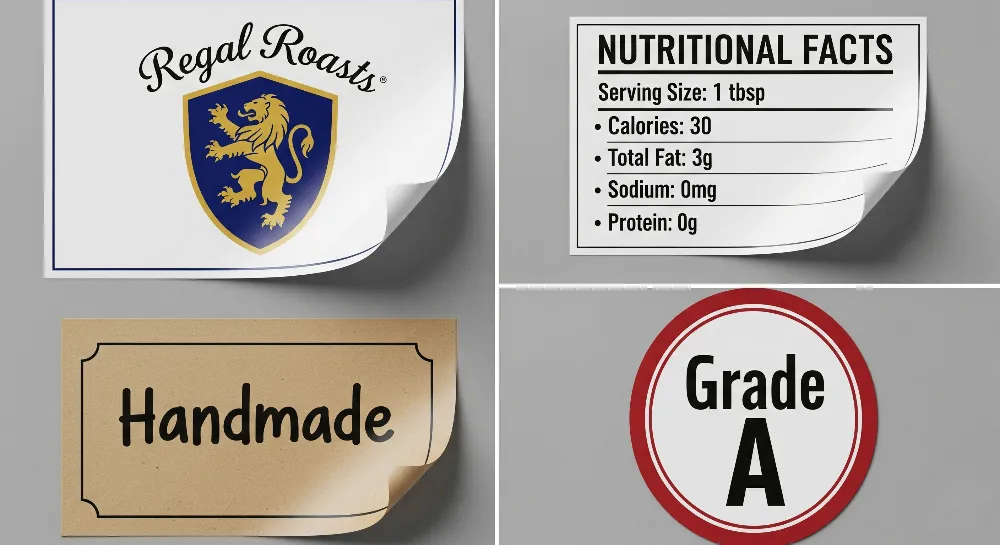
The 4 types of product labels are brand, informative, descriptive, and grade. These labels are important in product marketing. Brand labels show who made the product and help people remember it. Informative labels give details like ingredients or how to use the product. Descriptive labels tell about features or benefits. Grade labels show the quality or standards of the product. Knowing these label types helps people choose products wisely. It also helps businesses with branding and following rules. More than 80% of people read labels before buying. This shows labels are useful for picking products and for good branding.
Key Takeaways
Brand labels help people know and trust products. They show the company’s name, logo, and special design.
Informative labels give important facts like ingredients and how to use the product. They also share safety warnings to help people use products safely.
Descriptive labels point out special features and benefits. This makes products stand out and helps shoppers pick what they need.
Grade labels show the quality or certification of a product. This helps buyers compare and choose the best one.
Using all four label types together builds trust and follows rules. It also helps shoppers make smart choices when buying.
Brand Labels
Purpose
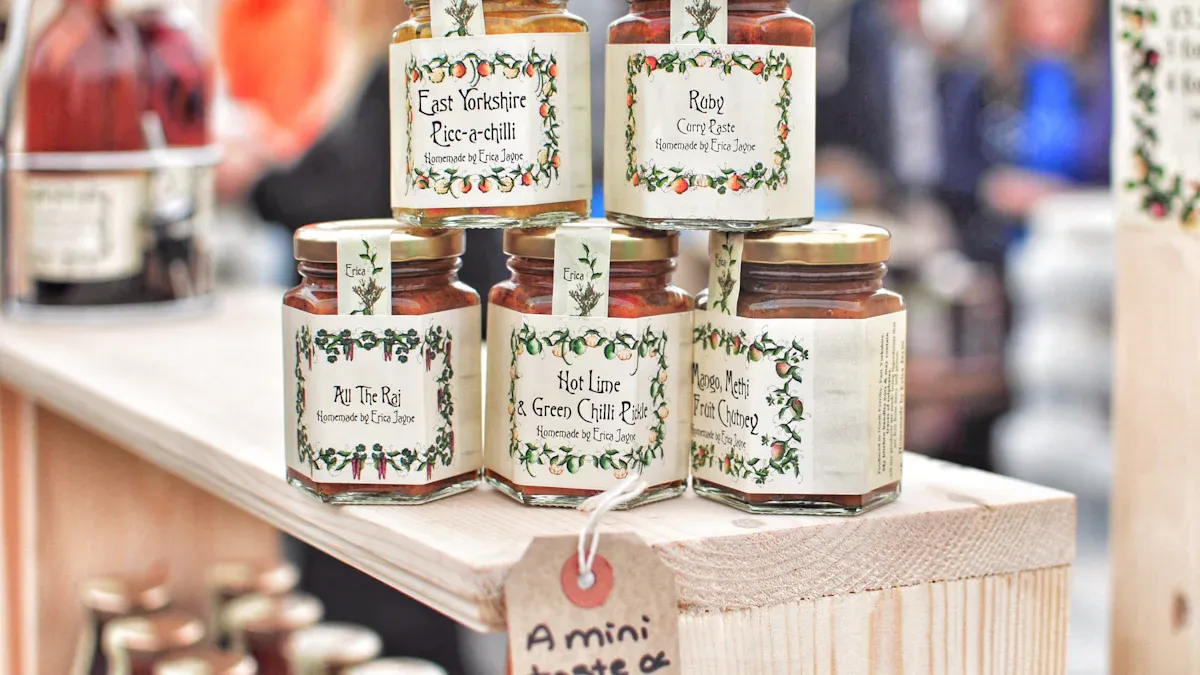
Brand labels are like the face of a product. They help people know and remember the company. These labels make products easy to spot in busy stores. Companies use them to show who they are and what they care about. A good brand label helps people trust the product. It also makes customers want to buy again. When people see a logo or name they know, they feel sure about buying. Brand labels help businesses stand out from others. They show what makes their product special.
Tip: Using a custom die-cut label can help your brand. It makes the product look more professional and easy to remember. Custom labels can have special shapes, colors, and finishes to match your brand’s style.
Features
Brand labels have many important parts. Each part helps people learn about the product and company. The table below lists common things found on brand labels for different products:
Label Element | Description |
|---|---|
Brand name and logo | Shows who made the product and helps people remember it. |
Product name | Helps people know what the product is right away. |
Product description and features | Tells important details to get people interested and informed. |
Ingredients and nutritional information | Needed for food and drinks so people know what’s inside. |
Net weight/volume | Shows how much product is in the package. |
Manufacturer information | Gives the company’s name and contact info. |
Symbols and certifications | Shows seals like USDA Organic to make people feel safe. |
Barcodes and QR codes | Helps with tracking and gives more info when scanned. |
Safety warnings and precautions | Warns people about health or safety risks. |
Usage instructions and guidelines | Tells people how to use the product safely and correctly. |
Brand labels use colors, shapes, and designs to look special. Custom labels can have shiny finishes, cool textures, or unique shapes. These things help people notice the product and remember it. Good brand labels make people want to buy again.
Brand labels help people feel close to a product. People often pick products with labels that make them happy. When people know a brand label, they trust it more. Clear and nice labels make people think the product is good. Stores use brand labels to make their products different and special.
New technology has changed brand labels. Smart labels, like QR codes and NFC tags, let people get more info. Eco-friendly materials and printing show a brand cares about the planet. Custom labels now have more choices for design and use. This helps brands meet rules and what people want.
Brand labels are one of the main types of product labels. They work with other labels, like grade labels and information labels, to give people a full picture of the product. Picking the right labels helps companies do well in busy markets.
Informative Labels
Purpose
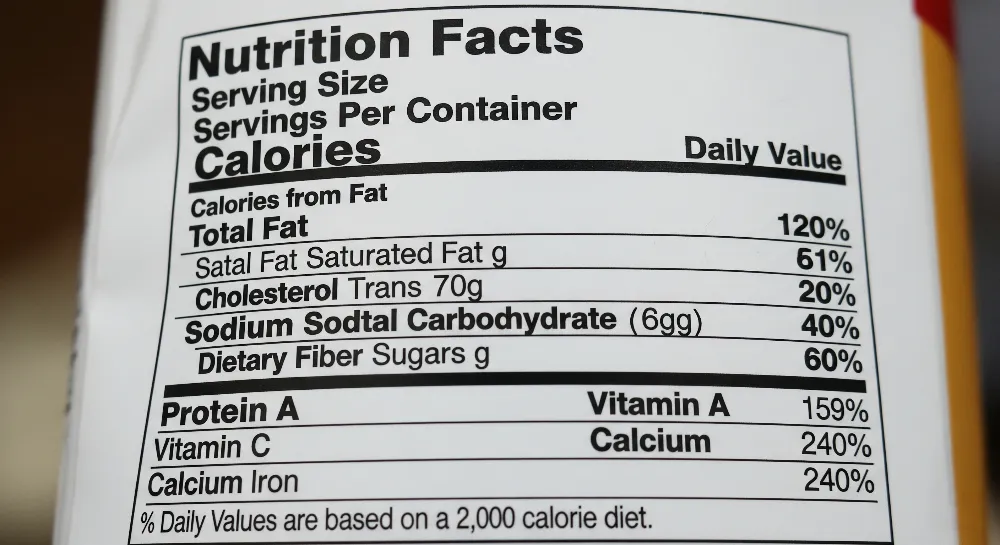
Informative labels tell people what is in a product. They also show how to use it safely. These labels give facts like ingredients, nutrition, and warnings. Groups like the FDA make companies add this info to labels. This keeps people safe. Informative labels help people trust the product. They show true details about what is inside. People can make smart choices with this info. This is important for allergies or nutrition. These labels help everyone use products the right way. They also help keep people healthy.
Note: Informative labels must follow strict rules. Laws like the Nutrition Labeling and Education Act make sure companies give honest and full information. This stops false claims and keeps people safe.
Features
Informative labels are on many things like food and cleaners. They use easy words and clear layouts. Sometimes they use pictures or symbols too. Most informative labels have these things:
Product name and brand.
List of ingredients, showing what is inside by amount.
Nutrition facts, like calories, protein, and serving size.
Allergen info, warning about nuts or dairy.
Expiration or best-before dates.
Net weight or volume.
Contact info for the maker or seller.
Claims like “organic,” “non-GMO,” or “low fat.”
How to prepare or use the product.
Storage tips.
Safety warnings and first aid steps.
Feature | Example | Purpose |
|---|---|---|
Nutritional facts | Calories, protein, serving size | Helps people pick healthy foods |
Ingredients list | Wheat, sugar, milk | Shows what is in the product |
Safety warnings | “Keep out of reach of children” | Keeps users safe |
Allergen info | “Contains peanuts” | Stops allergic reactions |
Preparation instructions | “Shake well before use” | Shows how to use it right |
Informative labels often use special designs to show key info. Some have QR codes or barcodes for fast scanning. This helps people get more info quickly. Thermal labels are good because they last long and stay clear. Even in tough places, they are easy to read. Custom labels can show badges like EPA Safer Choice or USDA Organic. These prove the product is safe or good for the planet.
Simple and clear labels help people see safety info fast. Pictures and symbols help everyone learn about the product. This works even if they do not read every word. Companies must update labels to follow new rules. They must keep info correct. Good informative labels keep people safe, help healthy choices, and help companies follow the law.
Descriptive Labels
Purpose
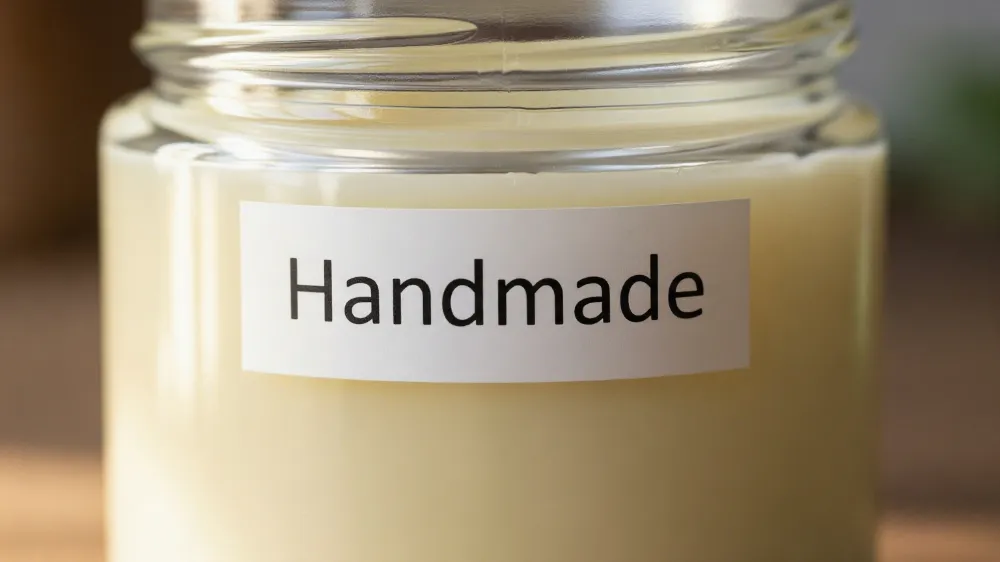
Descriptive labels help people see what makes a product special. These labels give details about features and benefits. They show what is different from other products. In the cosmetics world, descriptive labels are a strong branding tool. They help products get noticed on busy shelves. They also help buyers feel connected to the brand. If a label says a lotion is “vegan,” “organic,” or “dermatologist-tested,” it speaks to certain values. This helps build trust with customers. These labels also make people feel safe about quality. It becomes easier for them to pick what they want.
Descriptive labels do more than just give facts. They tell a story about the product and brand. A good label uses color, pictures, and words to show what the product offers. This helps shoppers compare items and pick what fits their needs. For example, a soap that says “handcrafted” or “made with natural oils” gives clear reasons to choose it. These labels also help companies follow rules and share key details. This is important for building customer loyalty.
Features
Descriptive labels use many things to show product benefits. Some of the best features are:
Clear product descriptions: Short phrases like “organic,” “gluten-free,” or “rich in antioxidants” quickly show what is special.
Feature highlights: Bullet points or icons can show benefits like “24-hour hydration” or “fast-acting formula.”
Visual cues: Colors, images, and design help shoppers spot the product and know how to use it.
Storytelling: Some labels share a short story or message to connect with the customer.
Ingredient transparency: Listing main ingredients, like “contains shea butter,” builds trust with health-focused buyers.
Usage instructions: Simple steps or pictures show how to use the product for best results.
Before-and-after visuals: Pictures can show what happens after using the product, making benefits easy to see.
Authentic testimonials: Quotes or ratings from real users add trust.
Feature Type | Example Label Text | Benefit to Consumer |
|---|---|---|
Product Description | “Handcrafted soap” | Shows unique quality |
Feature Highlight | “Organic, non-GMO, vegan” | Appeals to specific values |
Visual Cue | Green leaves image | Suggests natural ingredients |
Storytelling | “Inspired by ancient recipes” | Connects with brand history |
Usage Instruction | “Apply twice daily” | Guides proper use |
Descriptive labels are important for product labels. They help shoppers compare choices and see the benefits. This helps them make smart decisions. With creative design and clear words, these labels help with branding and sharing product information.
Grade Labels
Purpose
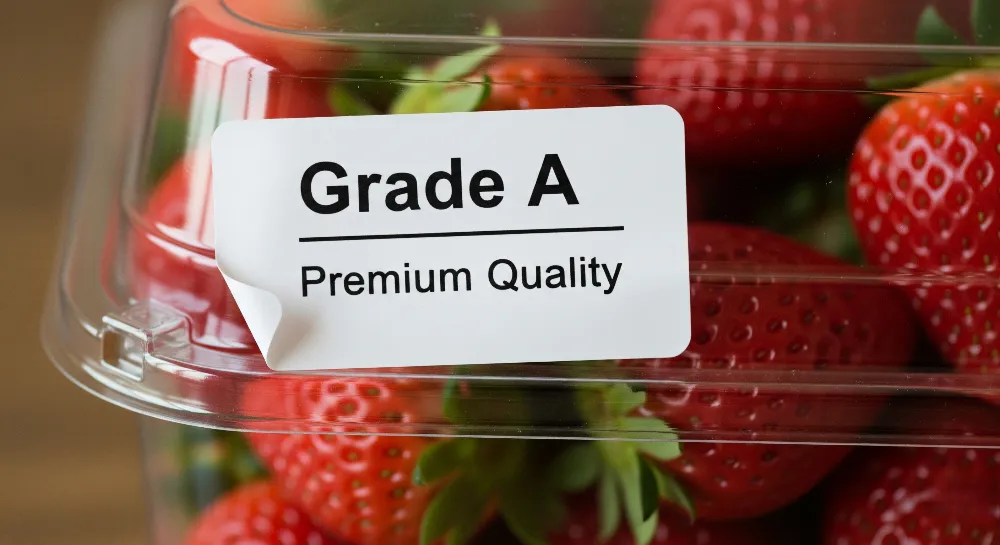
Grade labels help people know how good a product is. These labels show if something meets rules from the government or industry. In farming, grade labels like “Grade A” eggs or “USDA Grade A Beef” mean the food is top quality. Electronics use grade labels like “5-Star Energy Rated AC” or “A+ Rated TV” to show how well they work. These labels help shoppers compare things and pick the best one. Grade labels must last a long time, especially in farming and building. They need to stay clear even in rough places.
Grade labels are also important for food and drink safety. Groups like NSF International give out certification and field labels. Their labels help food tools meet health rules that health departments accept. The FDA and European Commission make rules for what can be used on food packages. These rules make sure grade labels are safe to touch food.
Features
Grade labels are found on many things, like food, clothes, and building stuff. They use easy symbols, numbers, or words to show quality. Some grade labels have marks to prove the product passed safety or quality checks. The table below shows how grade labels are used in different areas:
Industry | Example of Standardized Grade Labels |
|---|---|
Agriculture | USDA Grade A Beef, Grade A Eggs (high-quality food) |
Electronics | 5-Star Energy Rated AC, A+ Rated TV (performance-based) |
Textiles | Grade 1 Cotton, Grade B Silk (quality-based) |
Construction | Grade 1 Cement, Grade B Steel (safety and quality) |
Grade labels and certification marks help people trust what they buy. These labels help follow rules and make it easy to compare products. Labels like “Premium Quality” or “Organic” can make people like a product more and want to buy it. The chart below shows how label words change what people think about products:
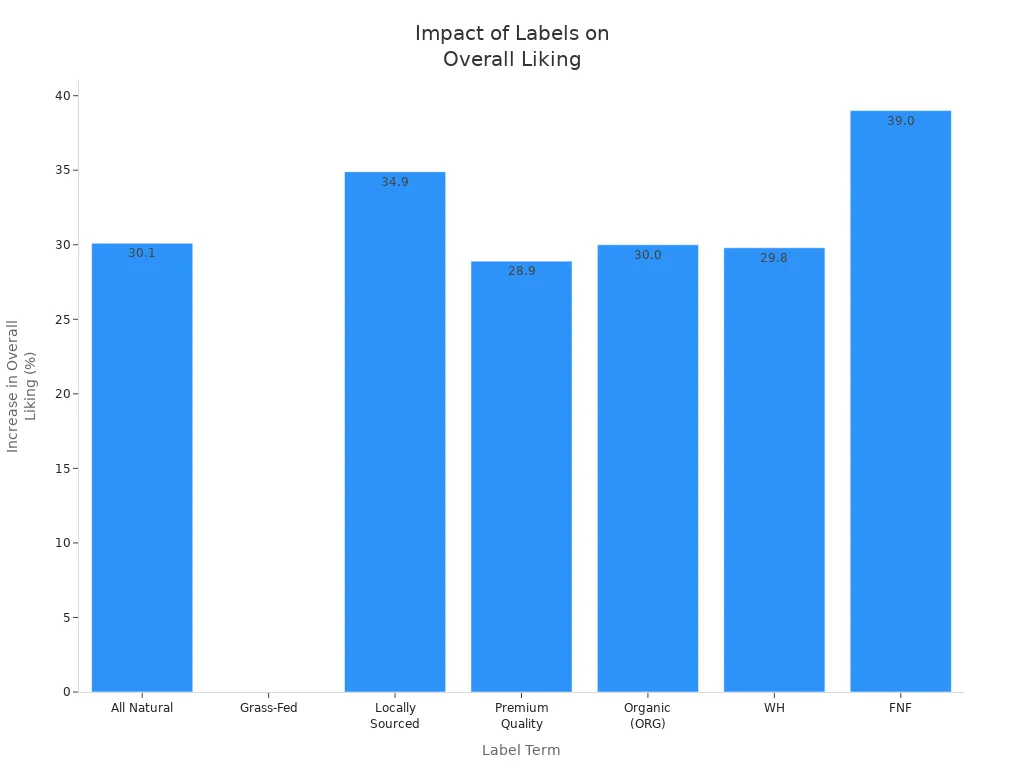
Grade labels and claims help shoppers feel sure about safety, taste, and value. Many people use these labels when picking what to buy. Grade labels also help companies follow laws and build trust with buyers.
Tip: Companies should pick strong materials and clear printing for grade labels. This keeps labels easy to read and helps follow the rules.
Types of Product Labels Compared
Differences
There are 4 types of product labels. Each one has its own job in stores. Brand labels help people know and remember a product. They use logos, colors, and designs to get attention. Informative labels give facts like ingredients, how to use the product, and safety tips. These labels must follow strict rules to keep people safe. Descriptive labels talk about what is special or good about a product. Grade labels show if a product is high quality or has a special rating, like “Grade A” or “Premium.” These must follow rules for each industry.
The table below shows how each label type is different and what rules they must follow:
Label Type | Description | Regulatory Requirements |
|---|---|---|
Brand Labels | Build brand identity with logos and design | Not explicitly required |
Informative Labels | Give product facts and safety details | Must meet legal standards |
Descriptive Labels | Highlight features and benefits | Not explicitly required |
Grade Labels | Indicate quality or certification status | Must follow industry regulations |
Uses
All 4 label types help shoppers in their own way. Brand labels make it easy to spot a product and help with ads. Informative labels give facts so people can use products safely. Descriptive labels tell what is good or special about a product. Grade labels help people trust the product by showing its quality or rating.
Stores use these labels to help with branding, giving info, and following the law. For example:
Brand labels help products stand out and build a strong brand.
Informative labels give important facts for safe use and smart choices.
Descriptive labels show what makes a product different and help with ads.
Grade labels let people know the product is safe and good quality.
Tip: Using more than one label type on a product helps shoppers get all the info they need. This makes people trust the product, helps the brand, and lets shoppers pick what fits them best.
The best way to label a product is to use all four types. This helps companies follow rules, build trust, and guide shoppers to make good choices.
Knowing about brand, informative, descriptive, and grade labels helps people pick better products. It also helps companies with branding. Harvard Nutrition Source says reading things like serving size and % Daily Value helps people make healthier choices. Companies that use clear and correct labels earn trust. They also lower risks and can sell products faster.
Each label type has its own job:
Brand labels help people remember and like a product.
Informative labels tell people how to use things safely.
Descriptive labels show what is good about a product.
Grade labels tell if a product is high quality.
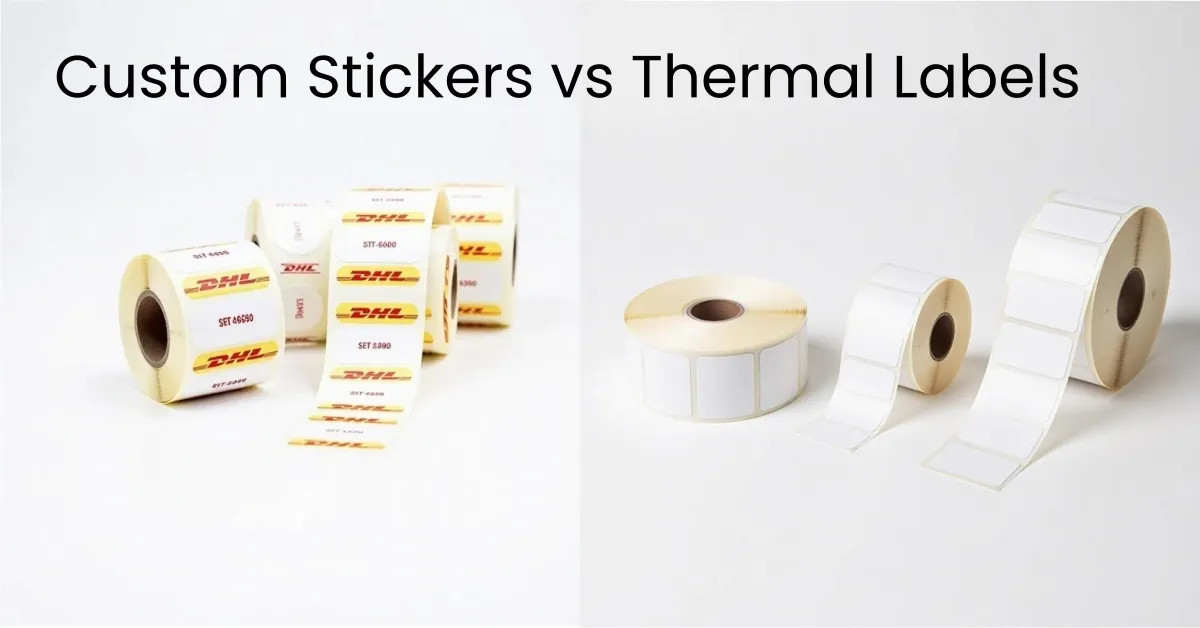
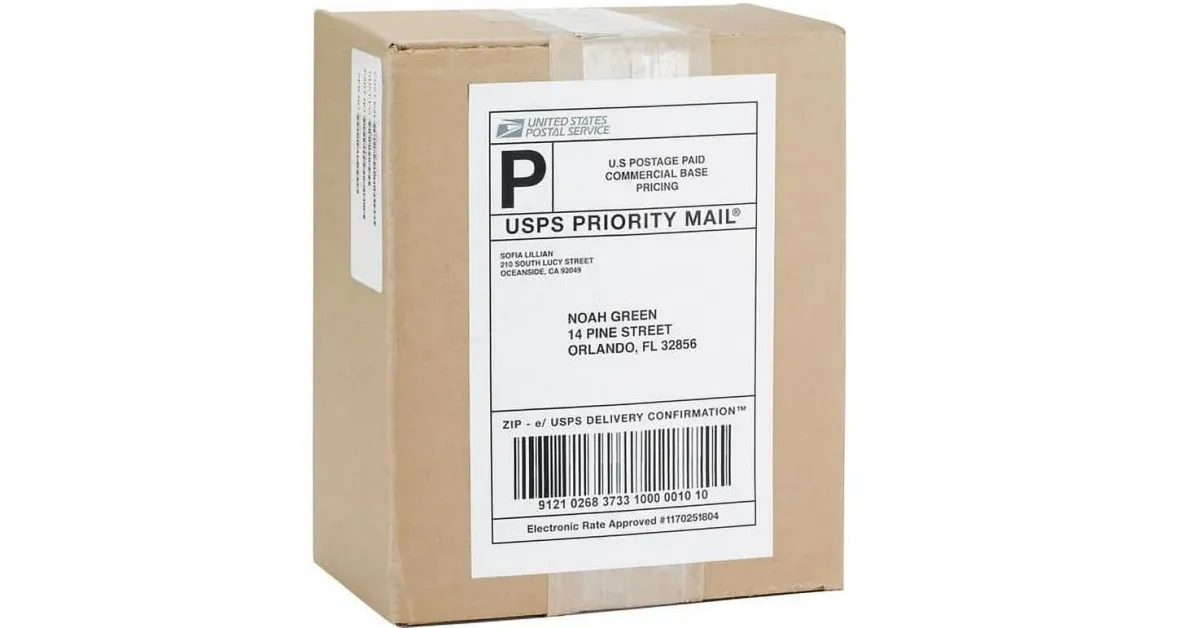
Picking the right labels for your brand and product info is important. If you want special label types or shipping labels, check out custom thermal labels and ask for a quote today. 🚀
FAQ
What are the main types of product labels?
There are four main types of product labels. These are brand labels, informative labels, descriptive labels, and grade labels. Each type helps shoppers learn about products. They show quality and features.
How do grade labels help buyers?
Grade labels show how good a product is. Shoppers use these labels to compare things. This helps them pick the best one. Grade labels are found on food, electronics, and building materials.
Which labels work best for branding?
Brand labels are best for branding. They use logos, colors, and cool designs. These things help people remember the product. Custom label styles also help brands stand out in stores.
Why are informative labels important for product information?
Informative labels give facts about the product. They show ingredients, how to use it, and safety tips. These labels help shoppers make safe choices. Product info labels must follow strict rules.
What are the types of shipping labels?
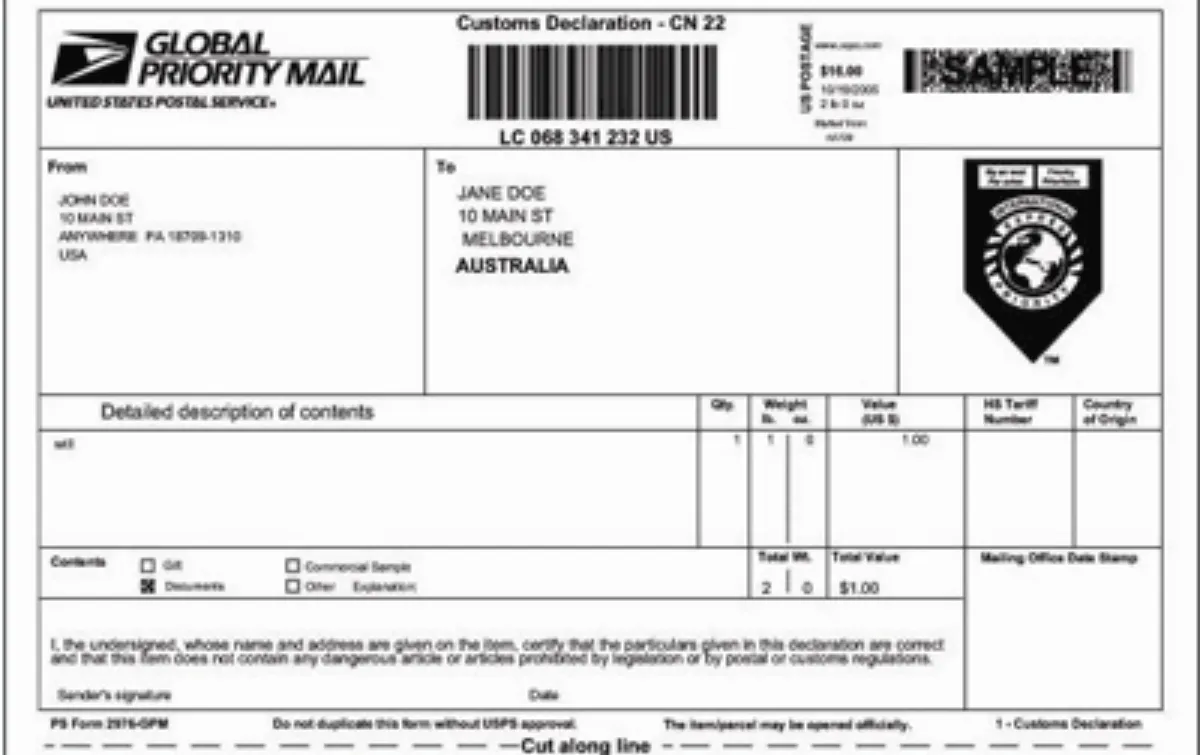
Shipping labels include address labels, barcode labels, and tracking labels. These labels help packages get to the right place. They also keep shipping neat and organized.